We are the Apocalypse
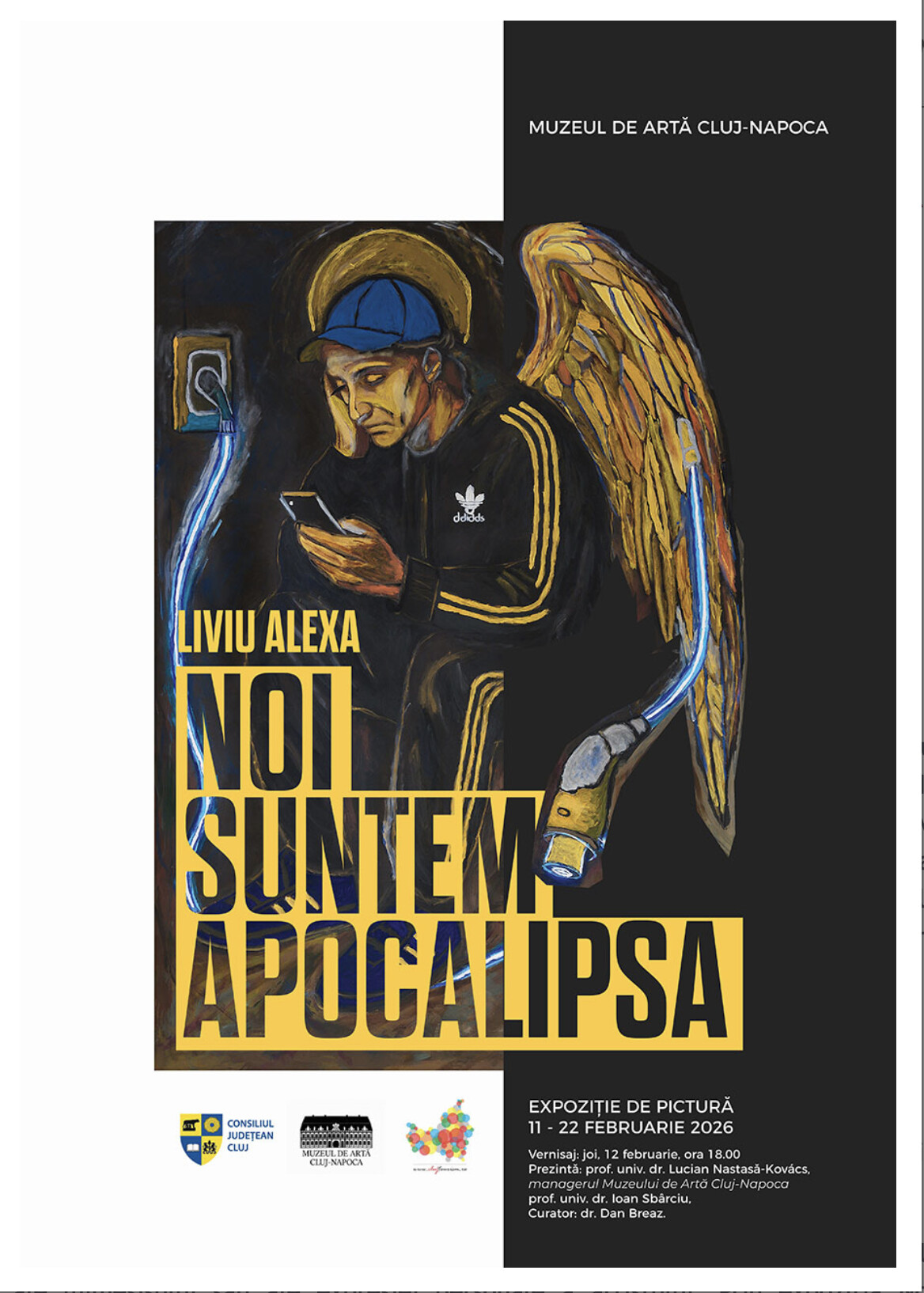
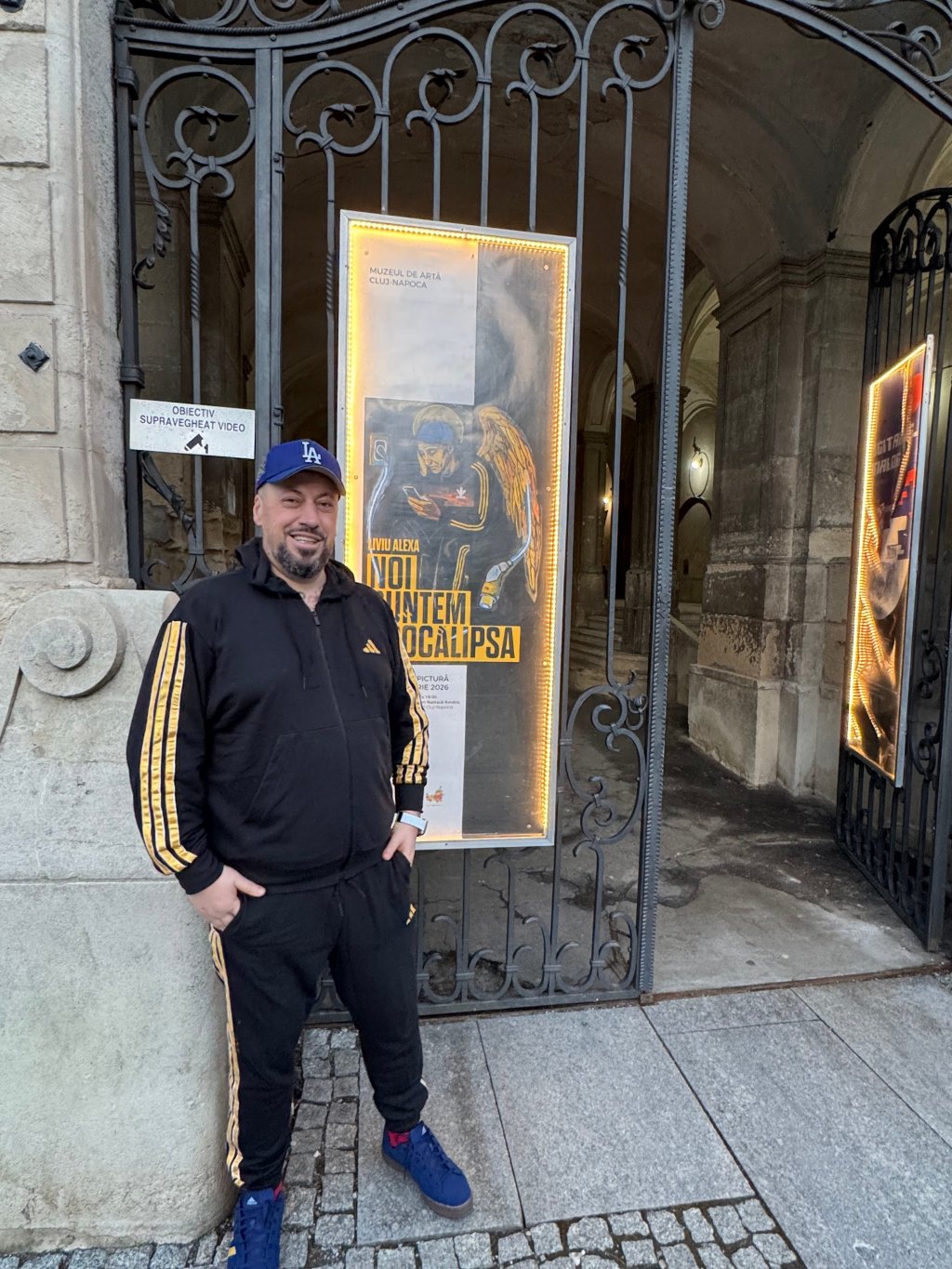
The Cluj-Napoca Art Museum, a public institution of county interest that operates under the authority of the Cluj County Council, organizes, between February 11-22, 2026, the painting exhibition entitled We are the Apocalypse, signed by Liviu Alexa.
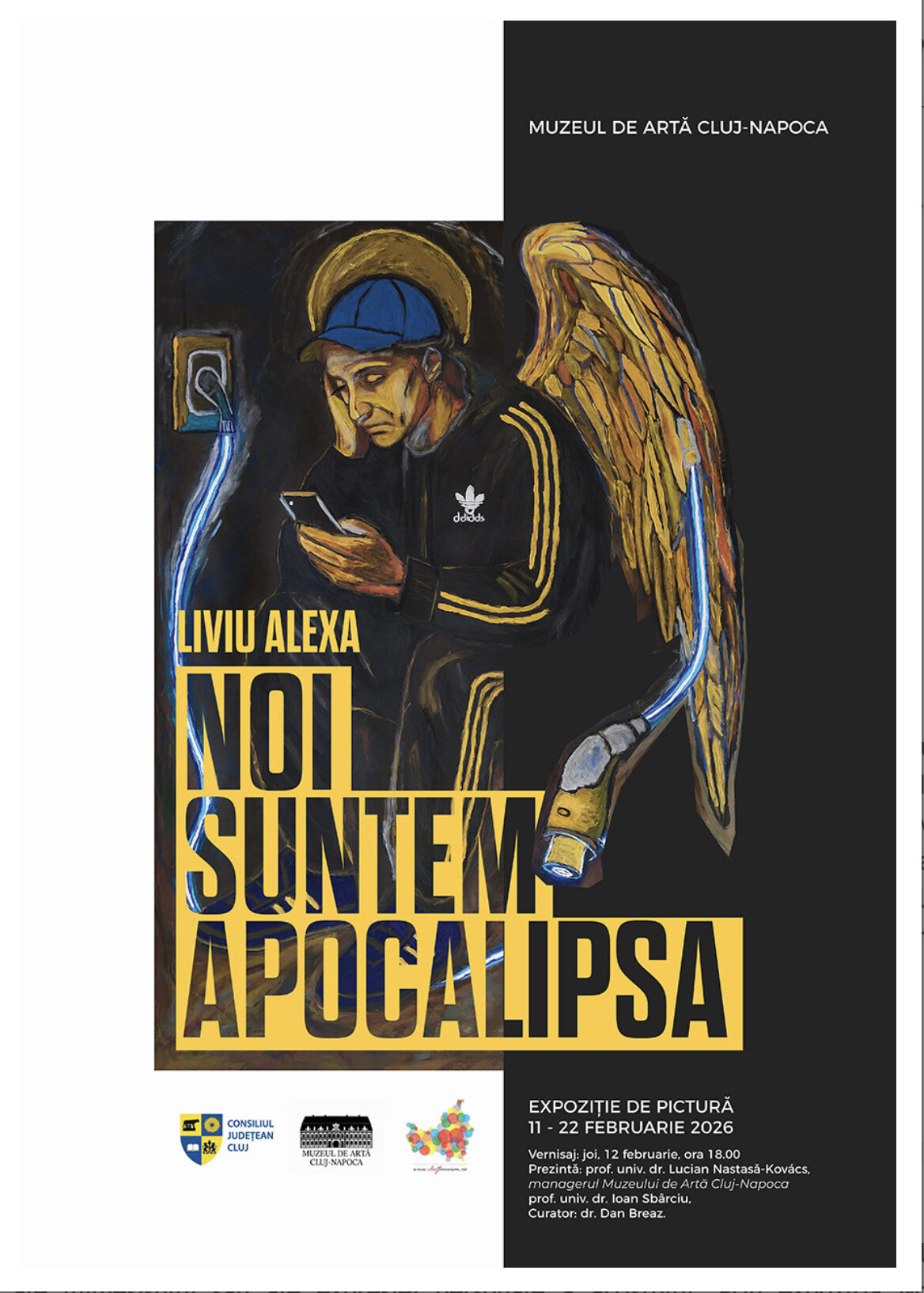
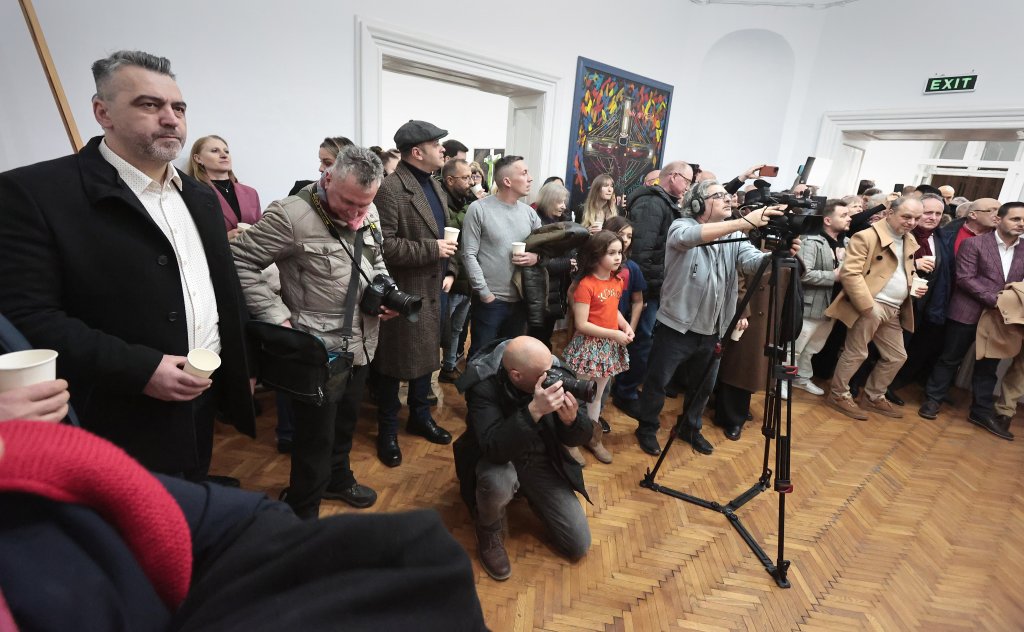
The exhibition enters the museum's visiting circuit from Wednesday, February 11, at 10.00, so the public has the chance to familiarize themselves with the exhibited works even before the opening. The official opening will take place on Thursday, February 12, 2026, from 6:00 p.m., in the presence of Prof. Univ. dr. Lucian Nastasă-Kovács, manager of the Cluj-Napoca Art Museum, of prof. Dr. Ioan Sbârciu, and the museographer Dr. Dan Breaz, as curator of the exhibition.
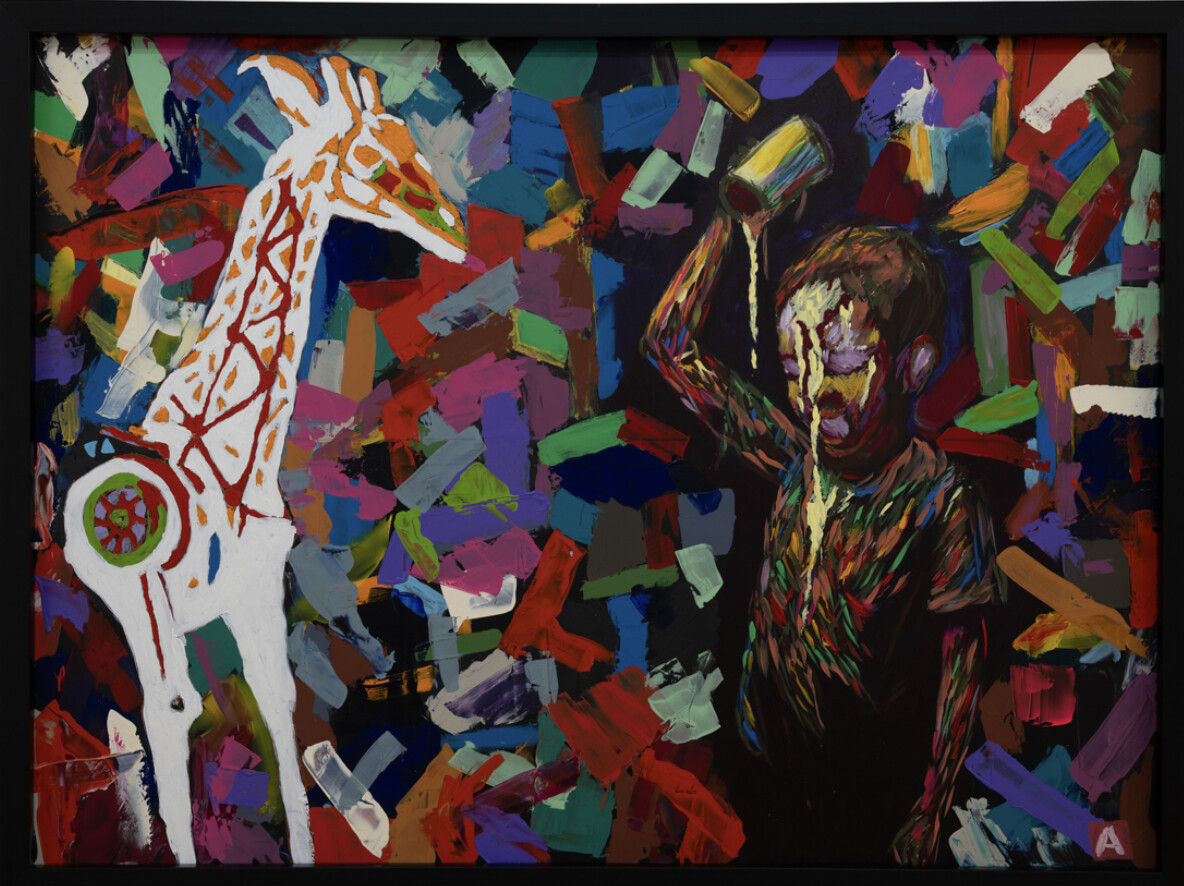
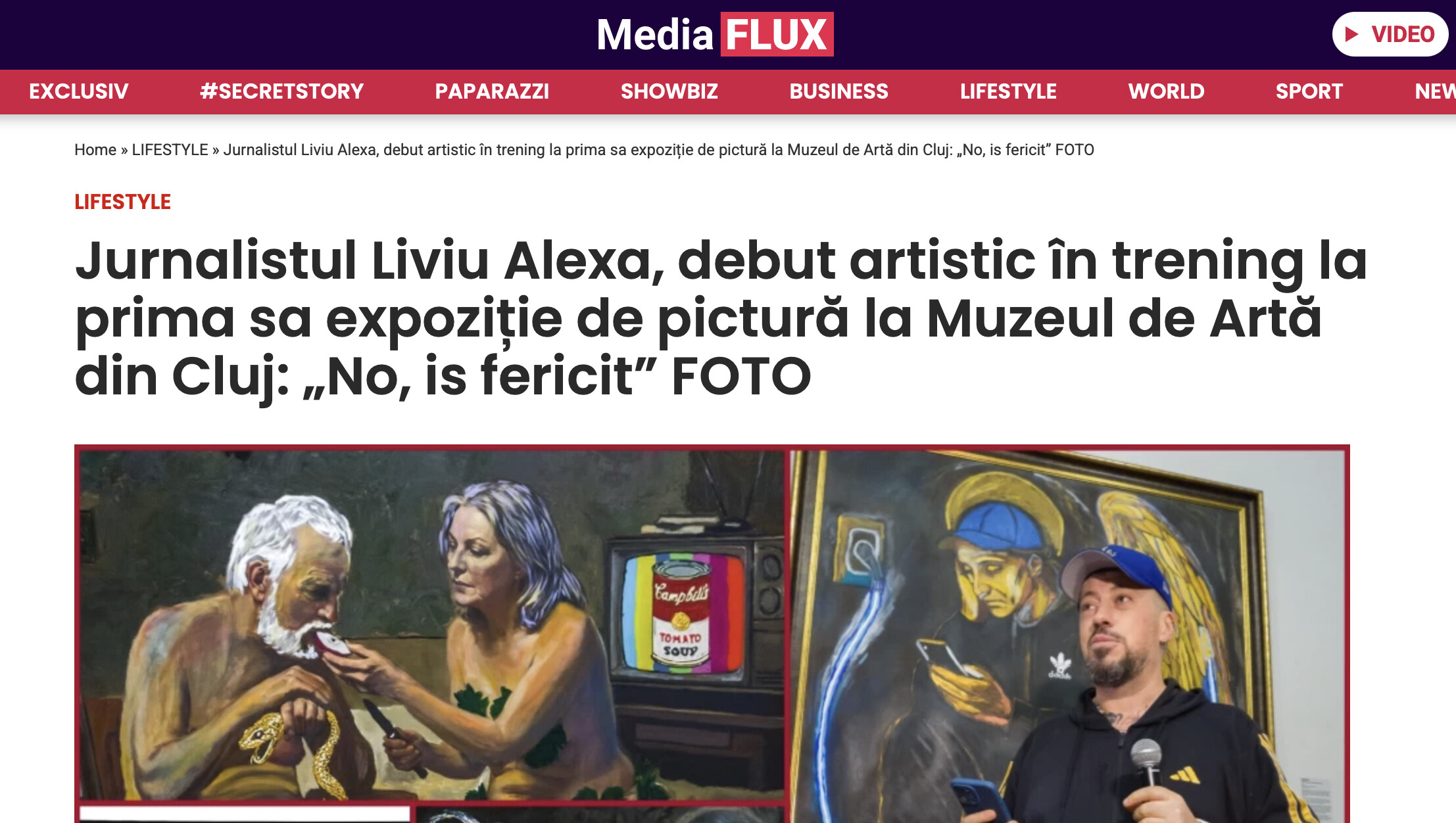
Liviu Alexa was born in Bistrita, Bistrita-Năsăud county, on May 31, 1979 and, although he was supposed to become a French teacher, he became an investigative journalist, revealing to us, with the first his personal exhibition of paintings, suggestively titled We are the Apocalypse, another side of his personality, one less known and extremely surprising.
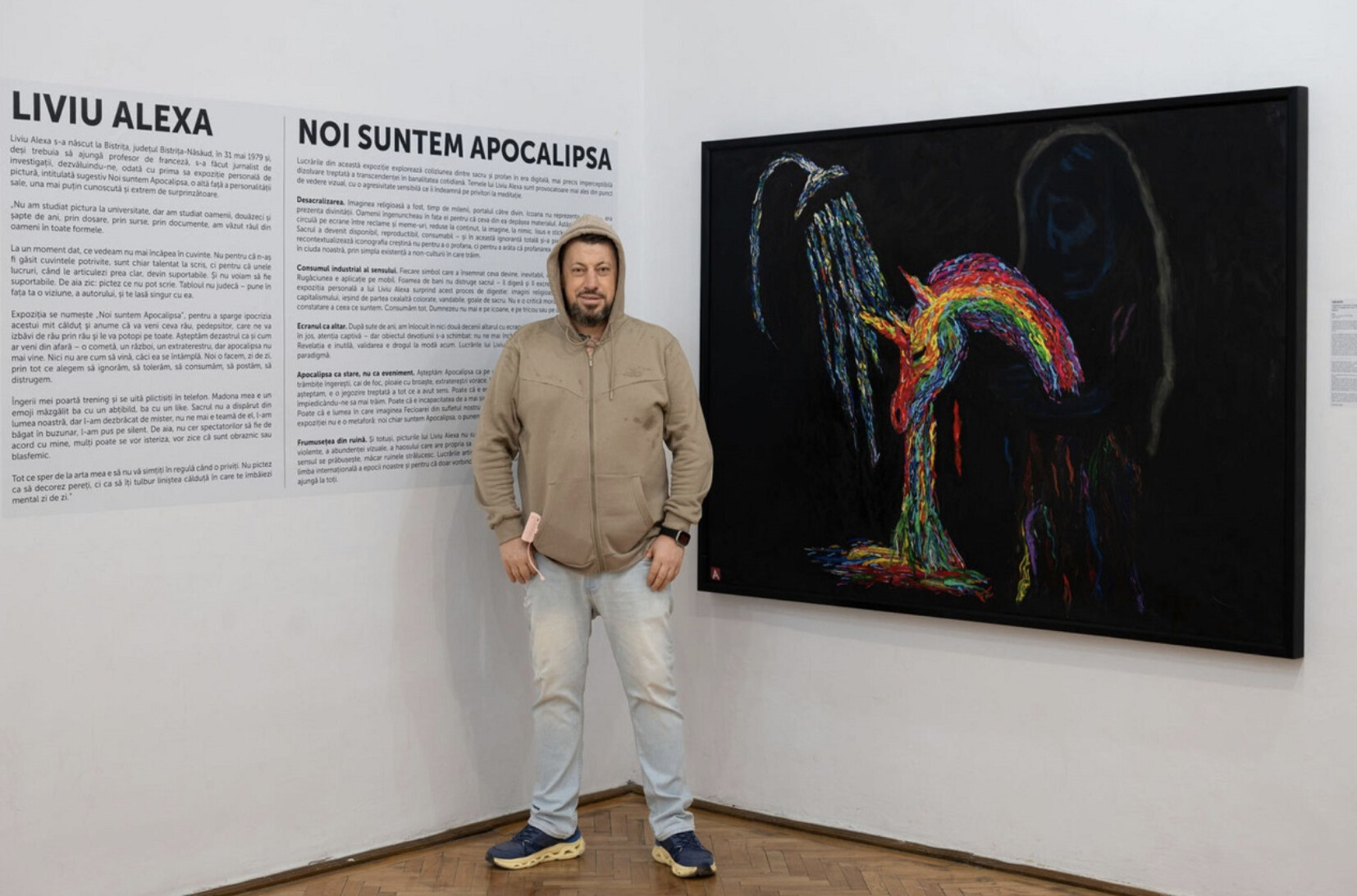
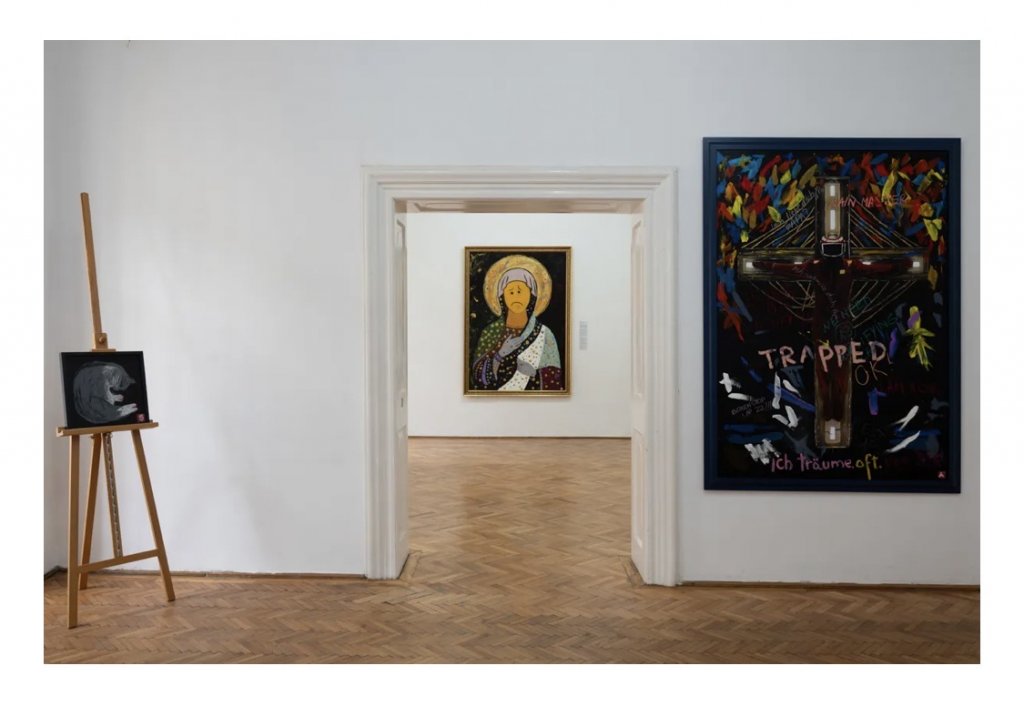
Three of the limits of contemporary painting have often been identified as the limits of abstract painting, of mimesis, or of the artist's personal expression. Through the exhibition We are the Apocalypse, the artist Liviu Alexa interrogates especially the last two. Therefore, one of the essential questions that the artist asks himself is precisely related to the expressive possibilities of figurative painting, discovering that this can be not only a "text", but also a "subtext" or even a "pretext" for the artistic intention of depicting the visible world. Not by chance, Liviu Alexa accentuates the contrasting qualities of his imagery, relying not only on the obvious attributes of intensity characteristic of chromatic nuances, but constantly seeking to provoke acts of investigation of visual polysemanticism, capable of evoking new interpretations.
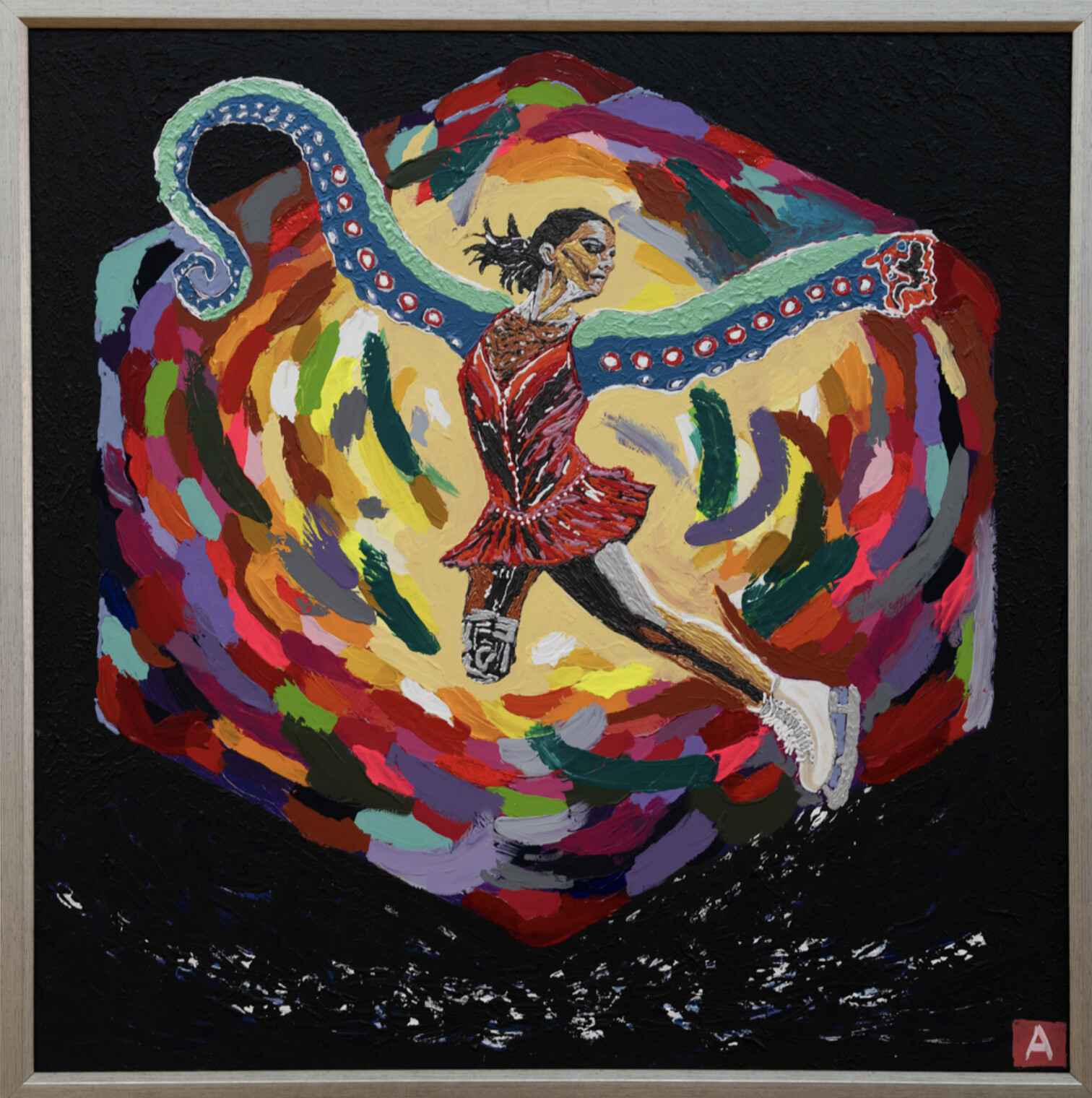
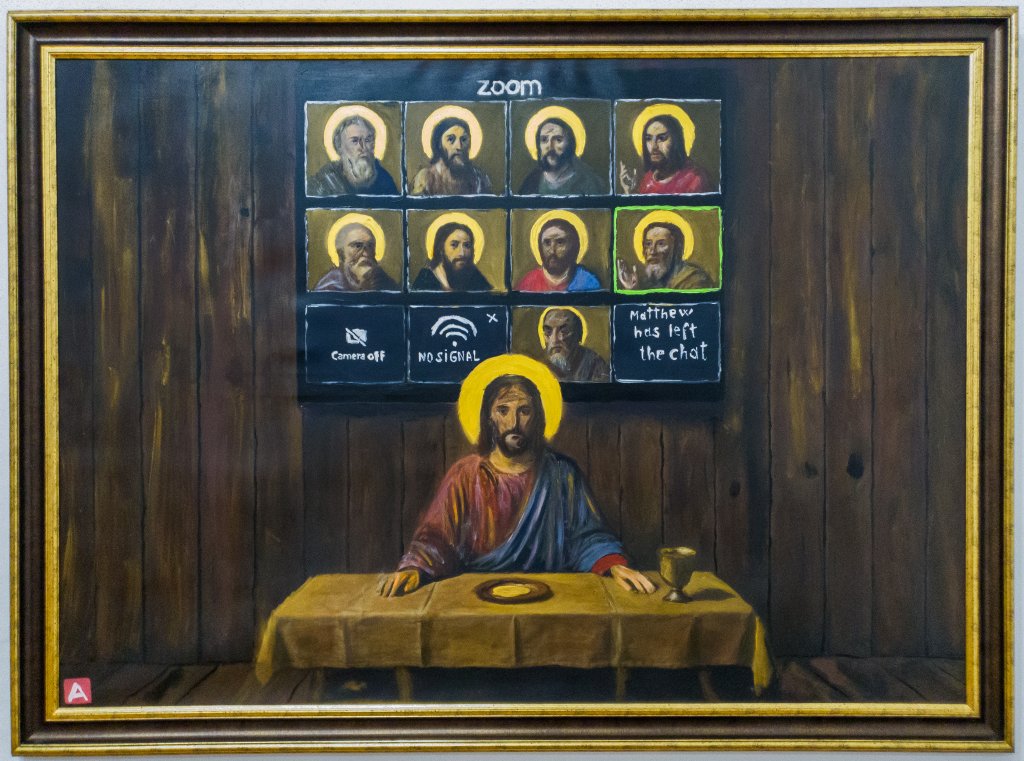
Only seemingly obvious, Liviu Alexa's painting is, at bottom, a clever game from the visual point of view, a charade, because in fact it only gives us hints of what, at first glance, it seems to reveal. Thus, the "subtexts" or even the "pretexts" that Liviu Alexa's art reserves for us are created. Emblems of post-humanity haunt his canvases at every step, referring, as it were, to as many causes that establish the crisis of values of a world that is losing its landmarks. Archangels stripped of their miracle, robots baptizing children, innocence lost with the separation from childhood paradise, or mermaids dying in sewer mouths are just a few examples of ideas and images that describe a dystopian world, diverted from its original purposes and thus losing its "center" or foundations that originally shaped its functioning.
As much as possible observe from the examples related to the artist's personal expression, the current plastic formulations in the works made by Liviu Alexa emphasize an increased sensitivity towards the subjective aspects of the artistic act, which gives some of these creations a genuine neo-expressionist sensitivity, while others are imprinted with a problematic figuration, addressing uncomfortable contemporary themes, which the artist himself identifies, when, in an inspired artistic creed, confesses, with sincerity, the principles that guide his visual discourse:
"I didn't study painting at university, but I studied people, for twenty-seven years, through files, through sources, through documents, I saw the evil in people in all forms.
At a certain point, what I saw no longer fit into words. Not because I couldn't find the words appropriate, I'm really talented at writing, but because some things, when you articulate them too clearly, they become bearable. And I didn't want them to be bearable. That's why I say: I paint what I can't write. The painting does not judge - it puts in front of you a vision, of the author, and leaves you alone with it.
The exhibition is called "We are the Apocalypse", to break the hypocrisy of this lukewarm myth, namely that something evil, punishing, will come, which will deliver us from evil through evil and drown them all. We wait for the disaster as if it comes from outside - a comet, a war, an alien, but the apocalypse does not come anymore. And it has no way to come, because it happens. We do it, day in and day out, through everything we choose to ignore, tolerate, consume, post, destroy.
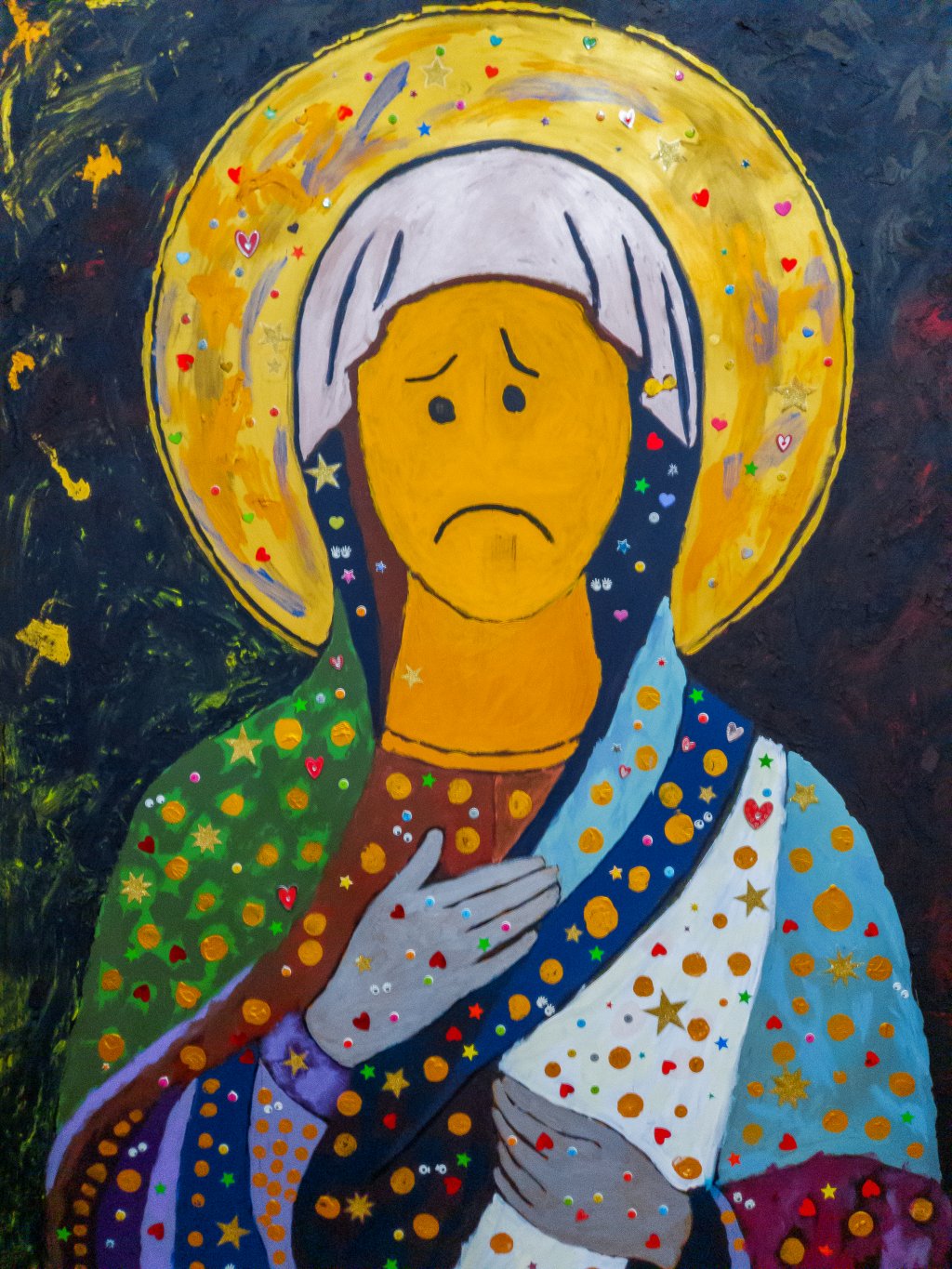
My angels wear tracksuits and look bored into their phones. My Madonna is a scribbled emoji either with a sticker or a like. The sacred has not disappeared from our world, but we stripped it of its mystery, we are no longer afraid of it, we put it in our pocket, we put it on silent. That's why I don't ask the viewers to agree with me, many may get hysterical, say I'm naughty or blasphemous.
All I hope from my art is that you don't feel right when you look at it. I don't paint to decorate walls, but to disturb the warm peace in which you mentally bathe day by day."
The exhibition We are the Apocalypse remains open to the public for visiting until February 22, 2026, from Wednesday to Sunday inclusive, during the hours 10:00-17:00.
In the press