Filcai

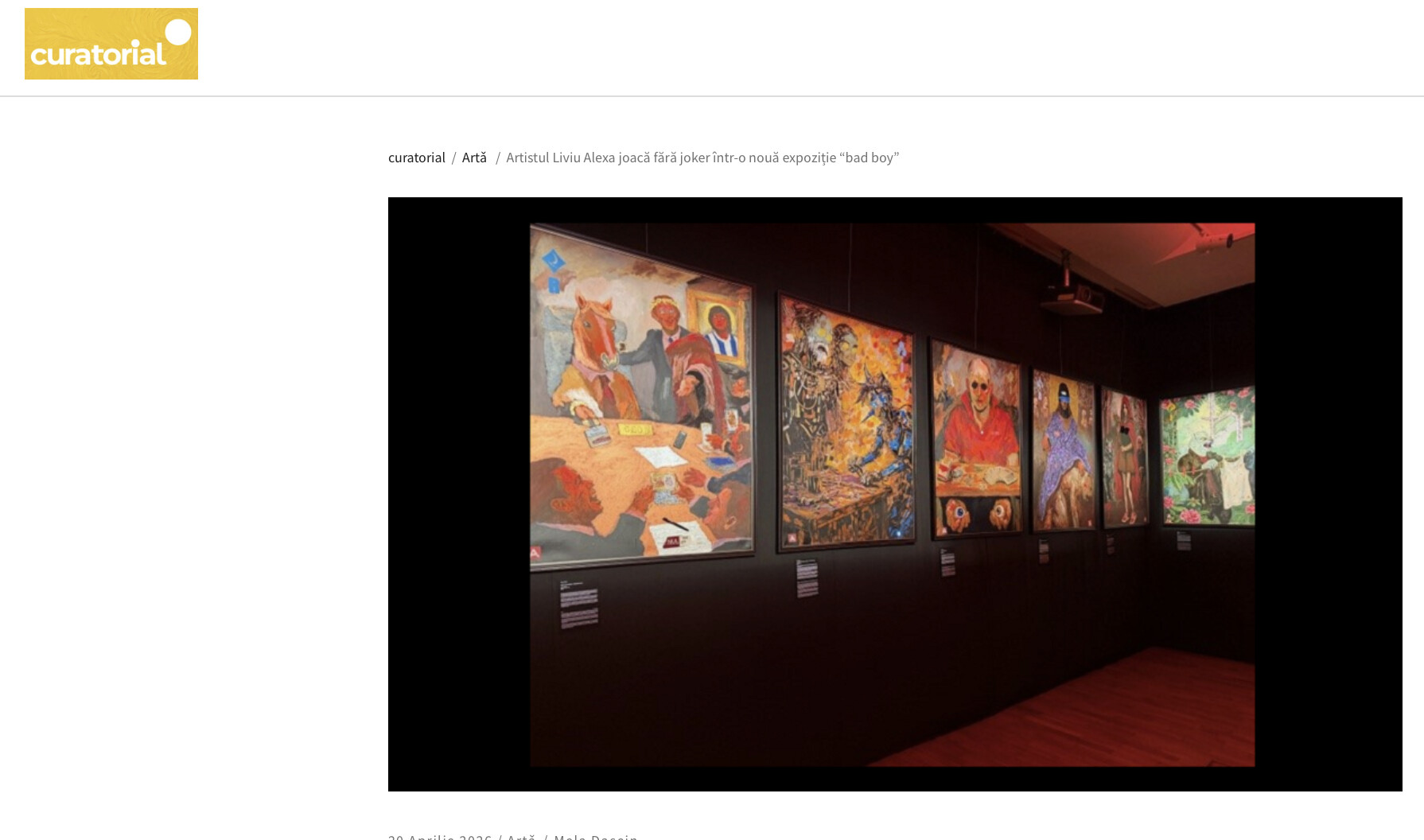
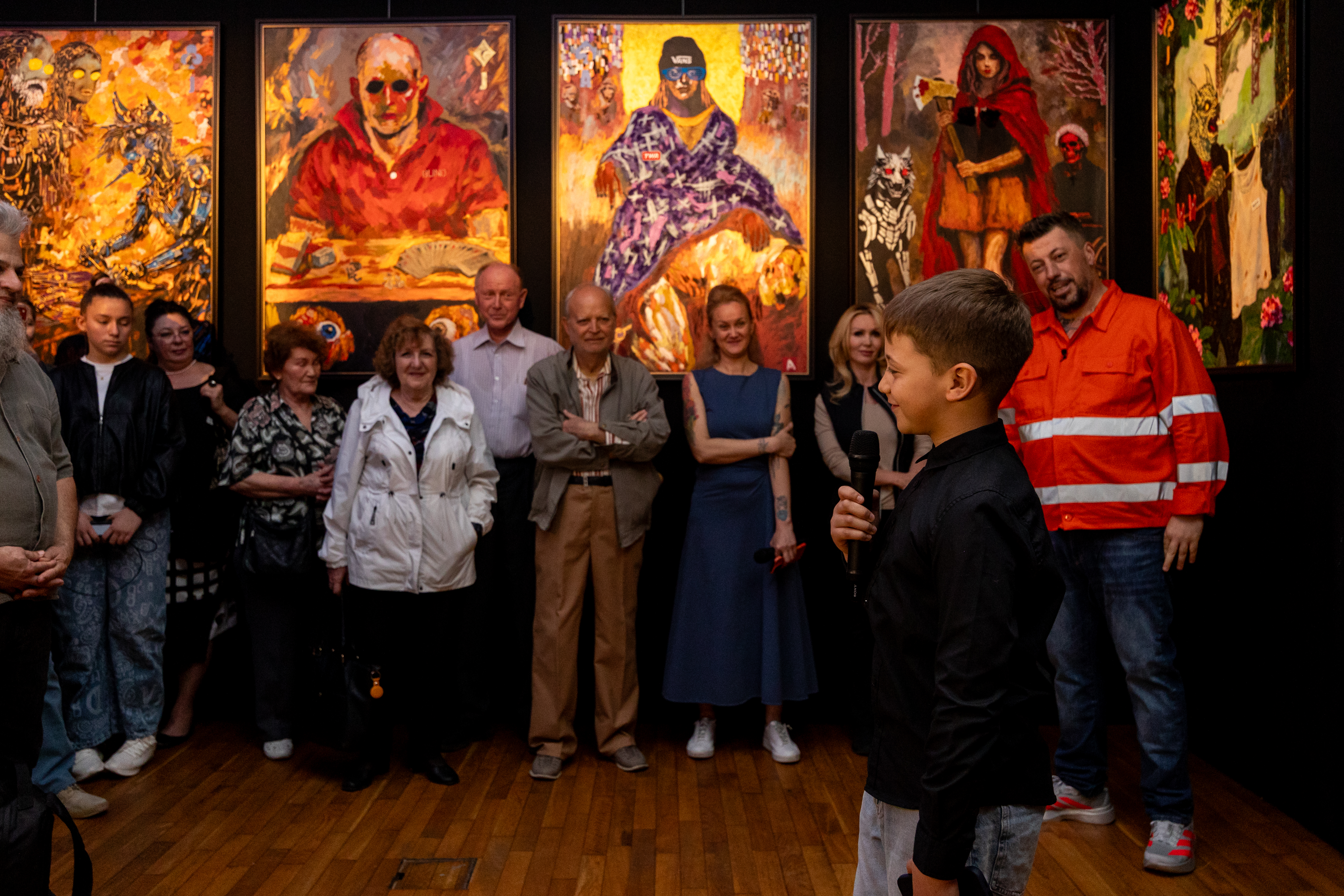
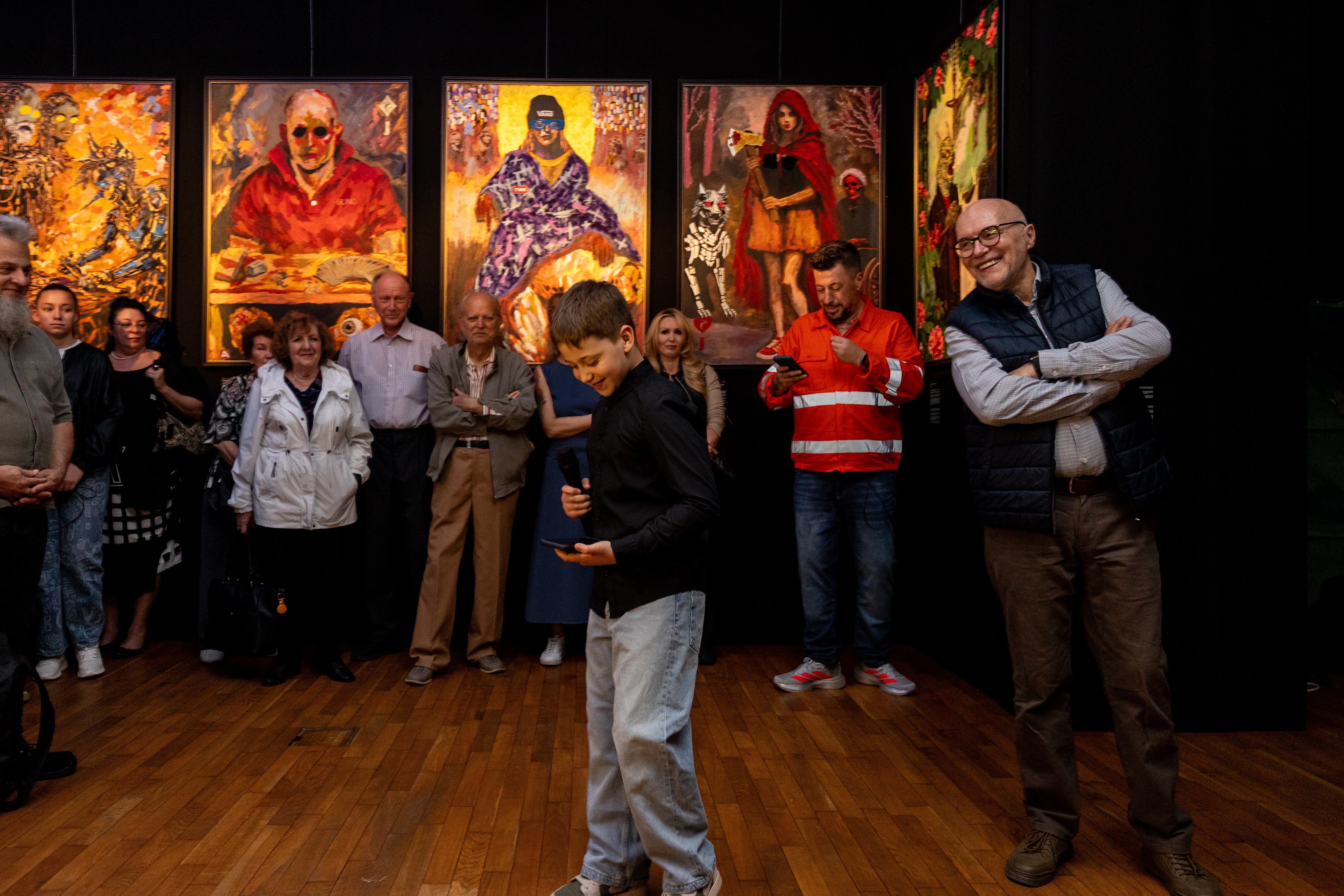
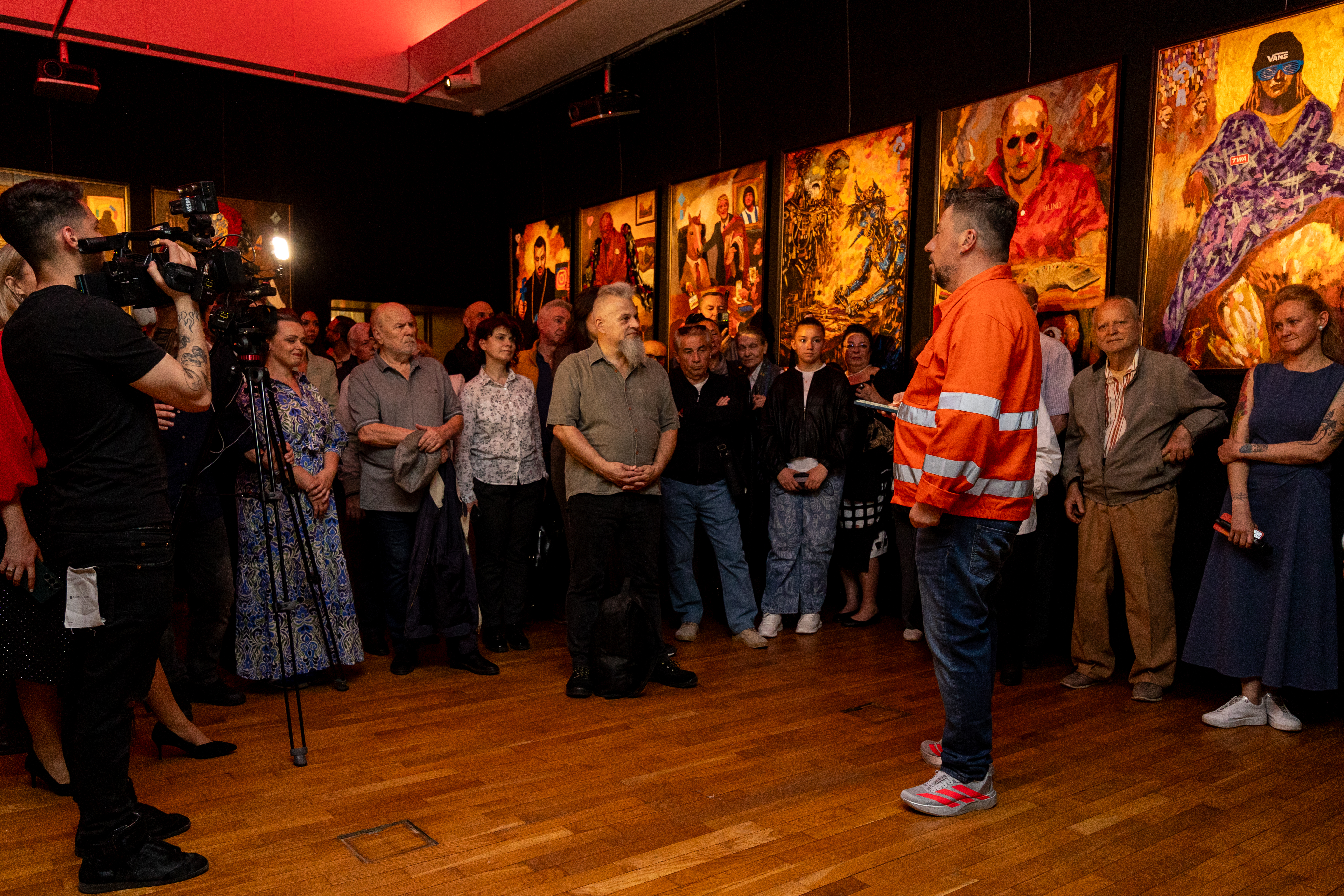
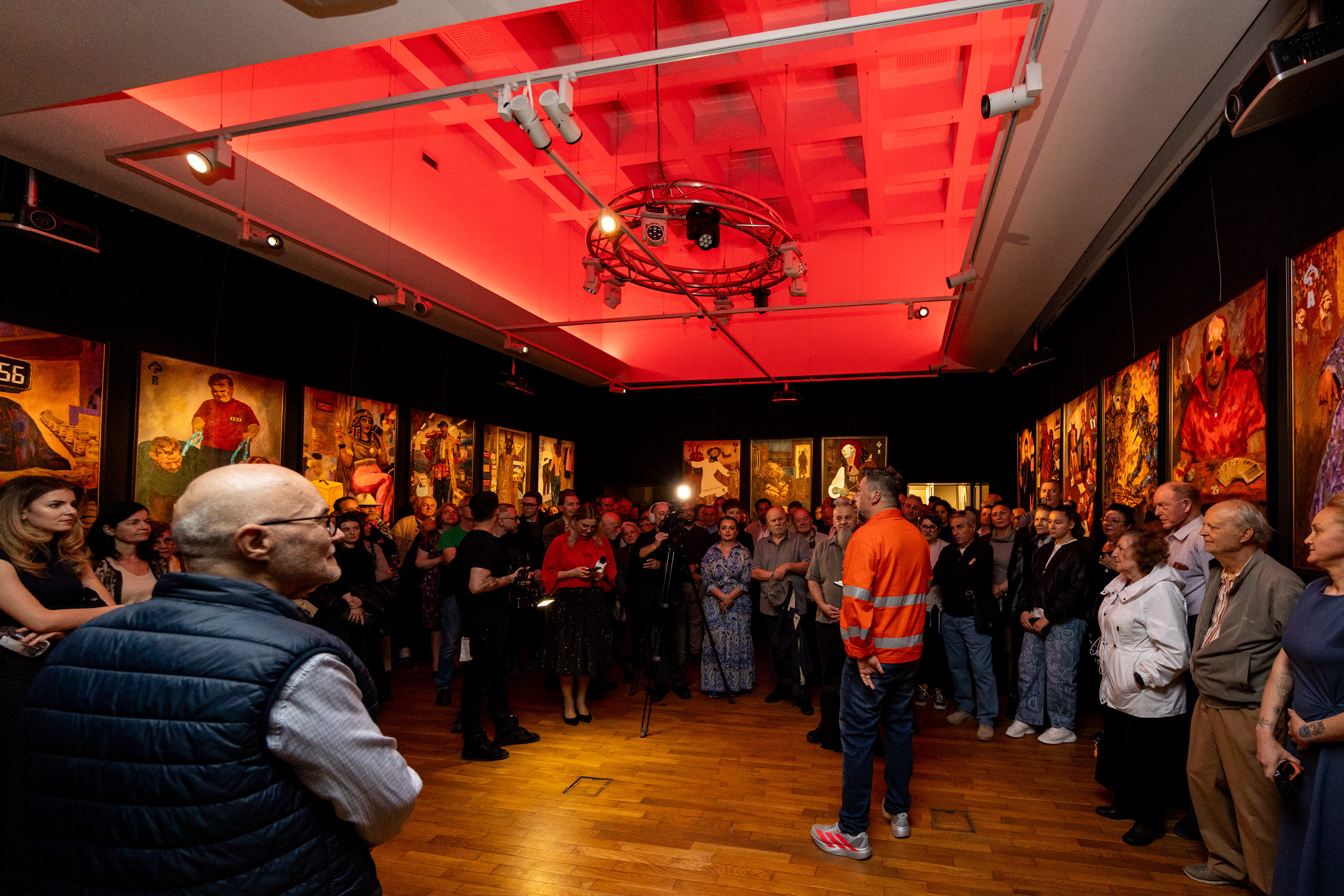
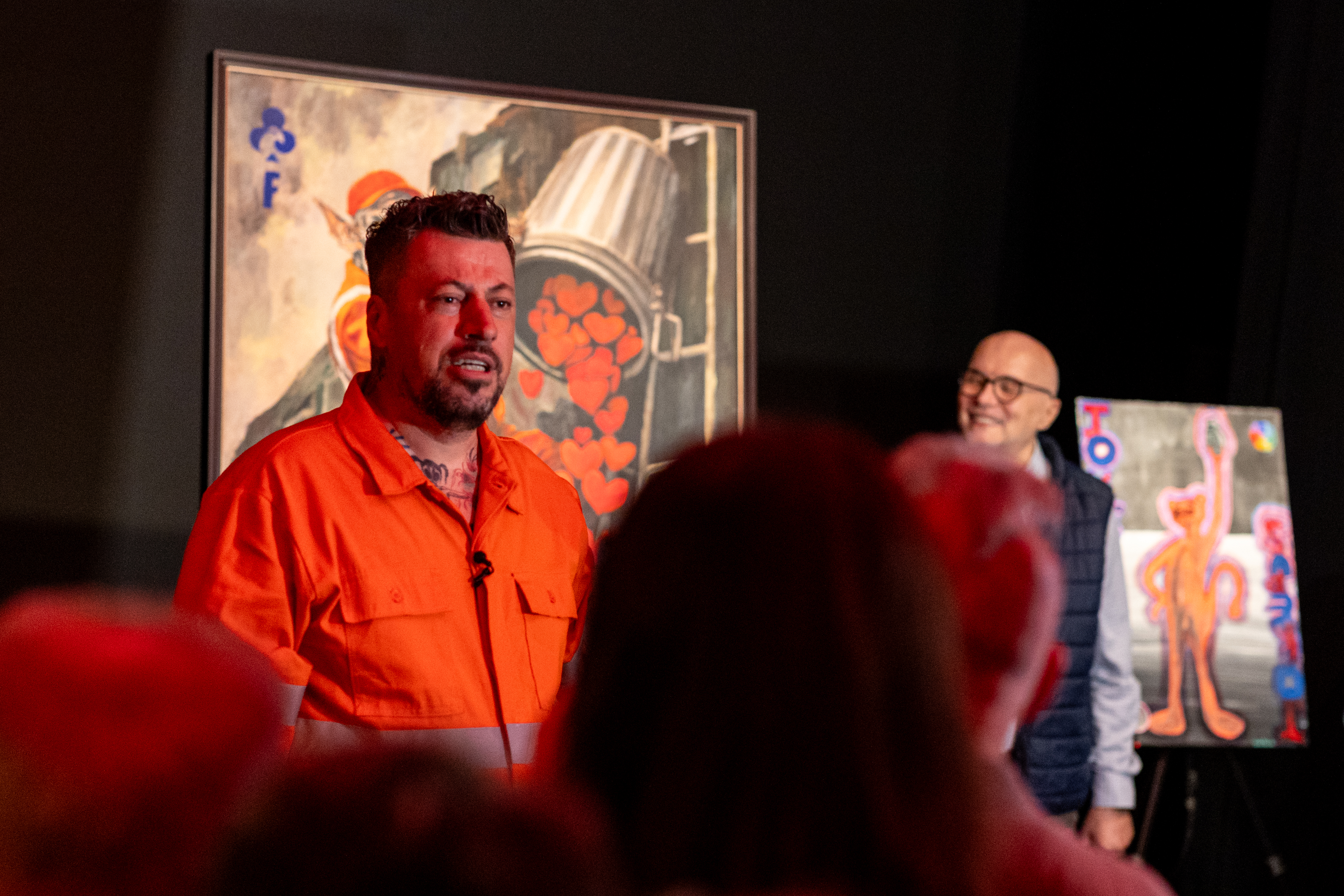
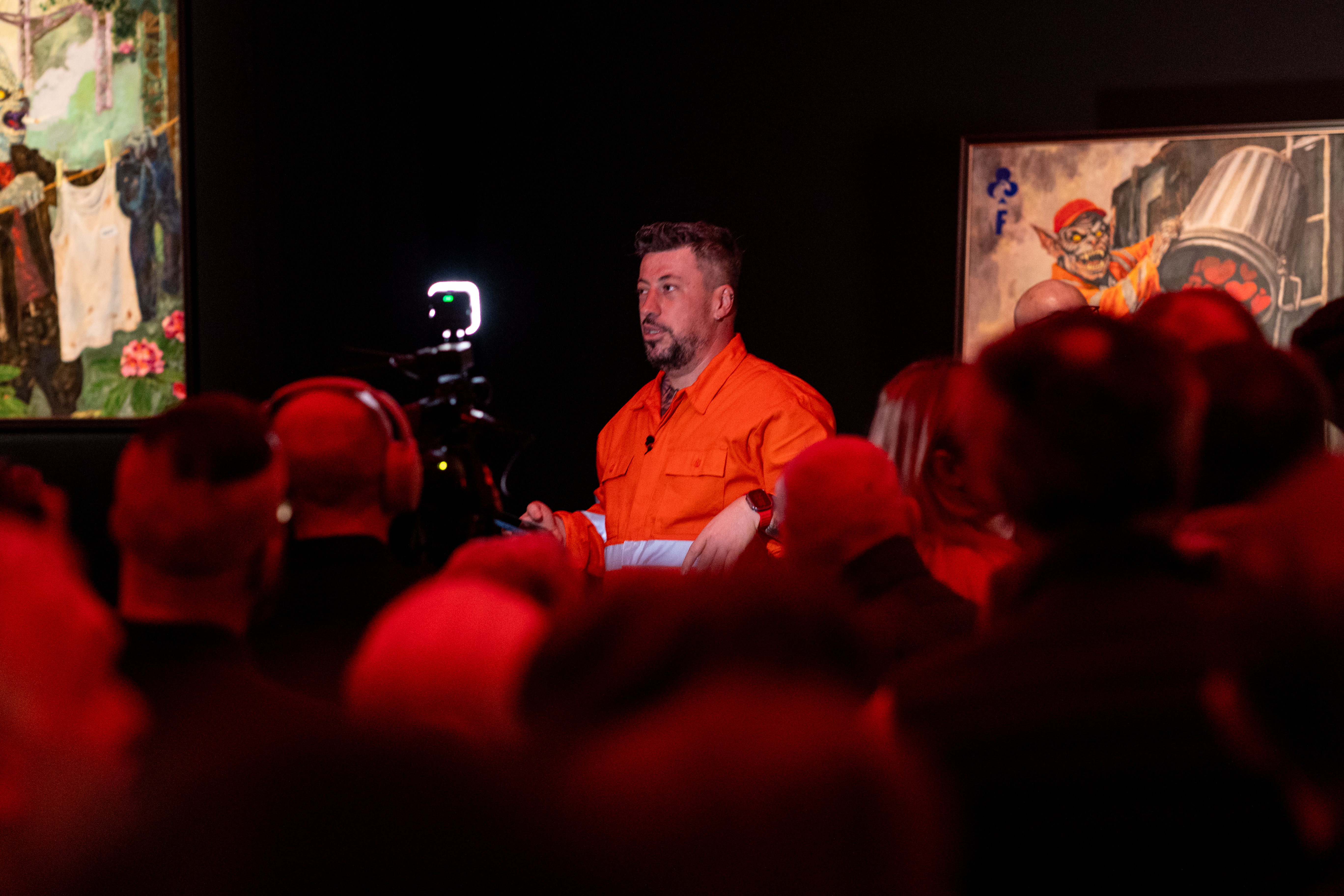
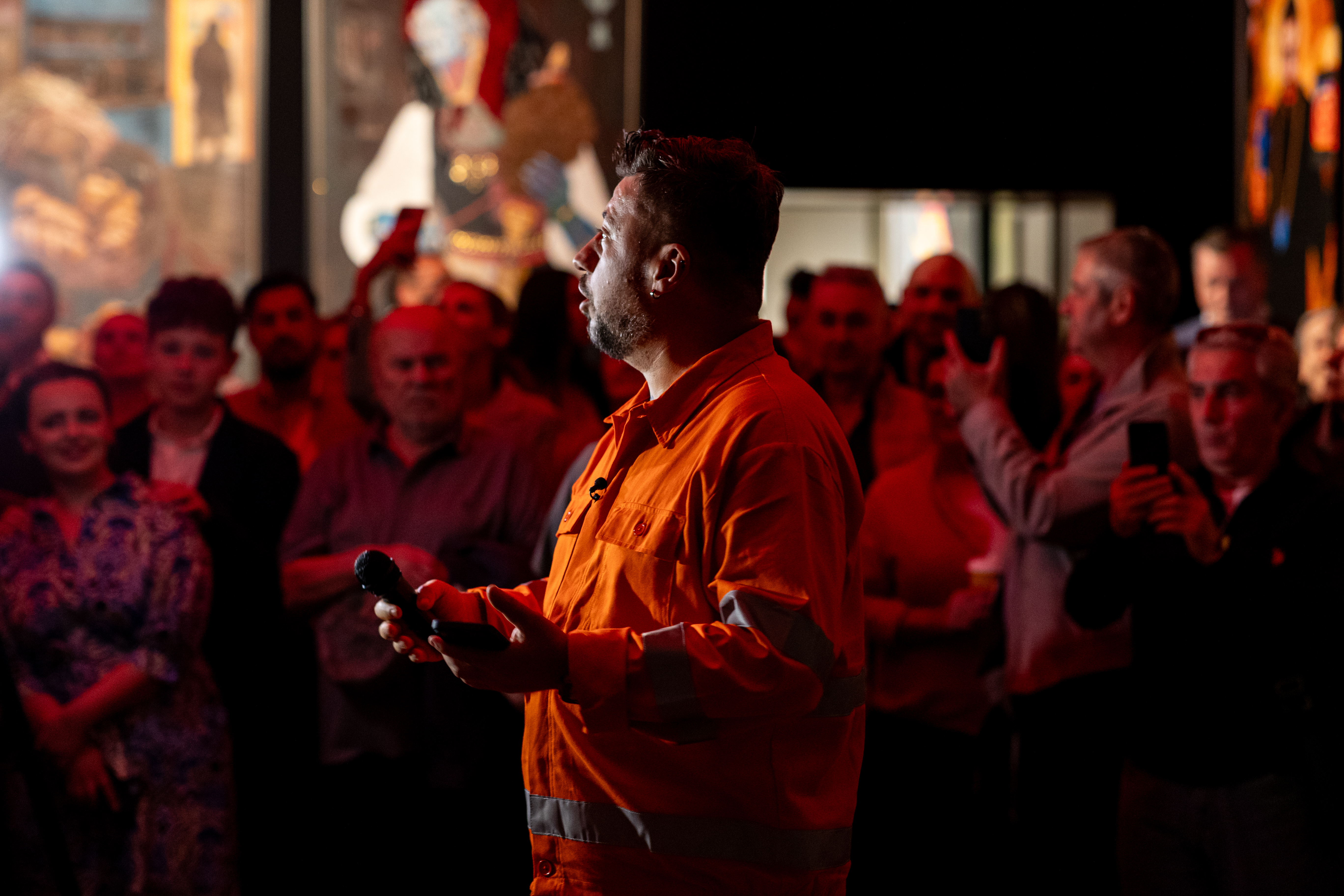
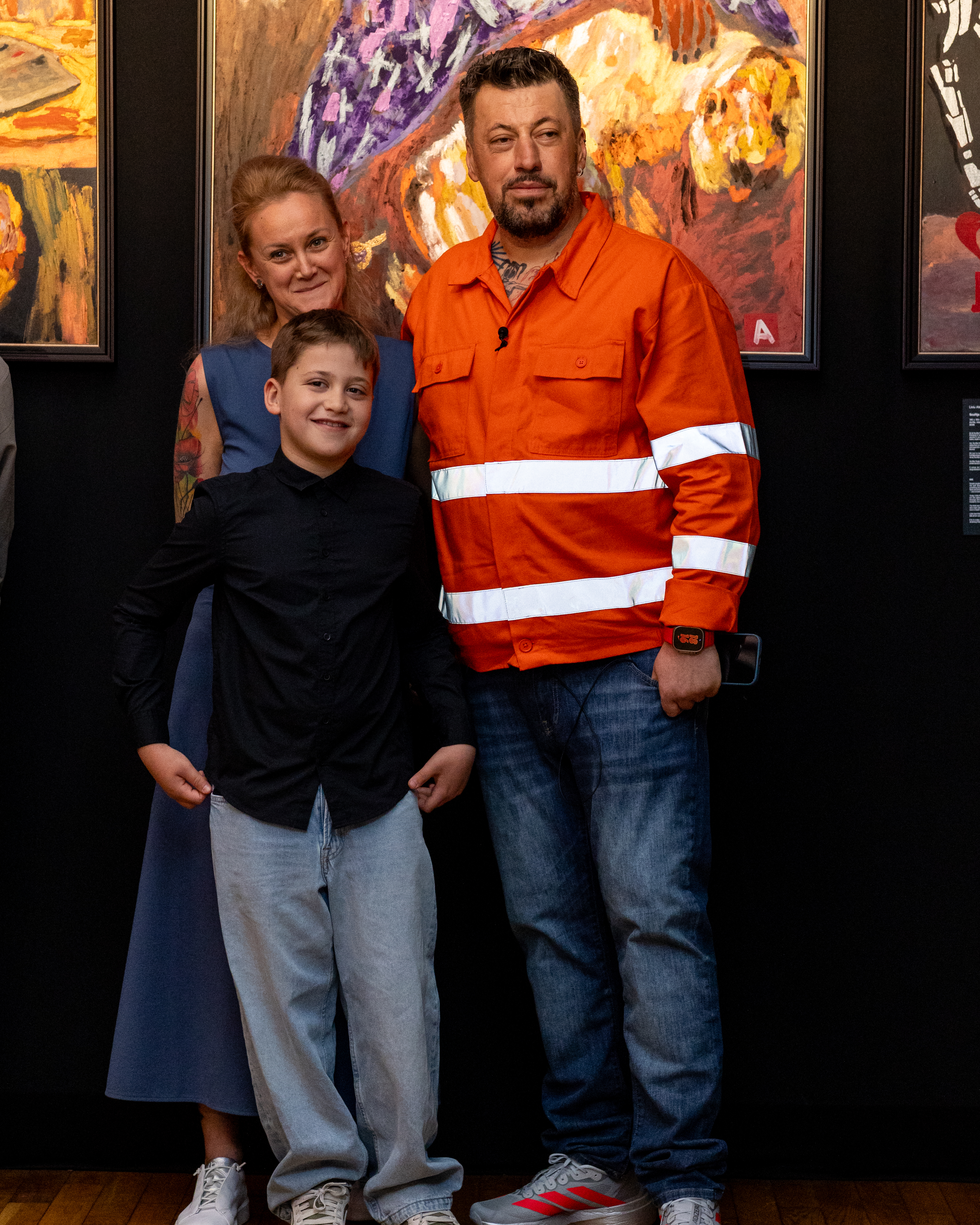
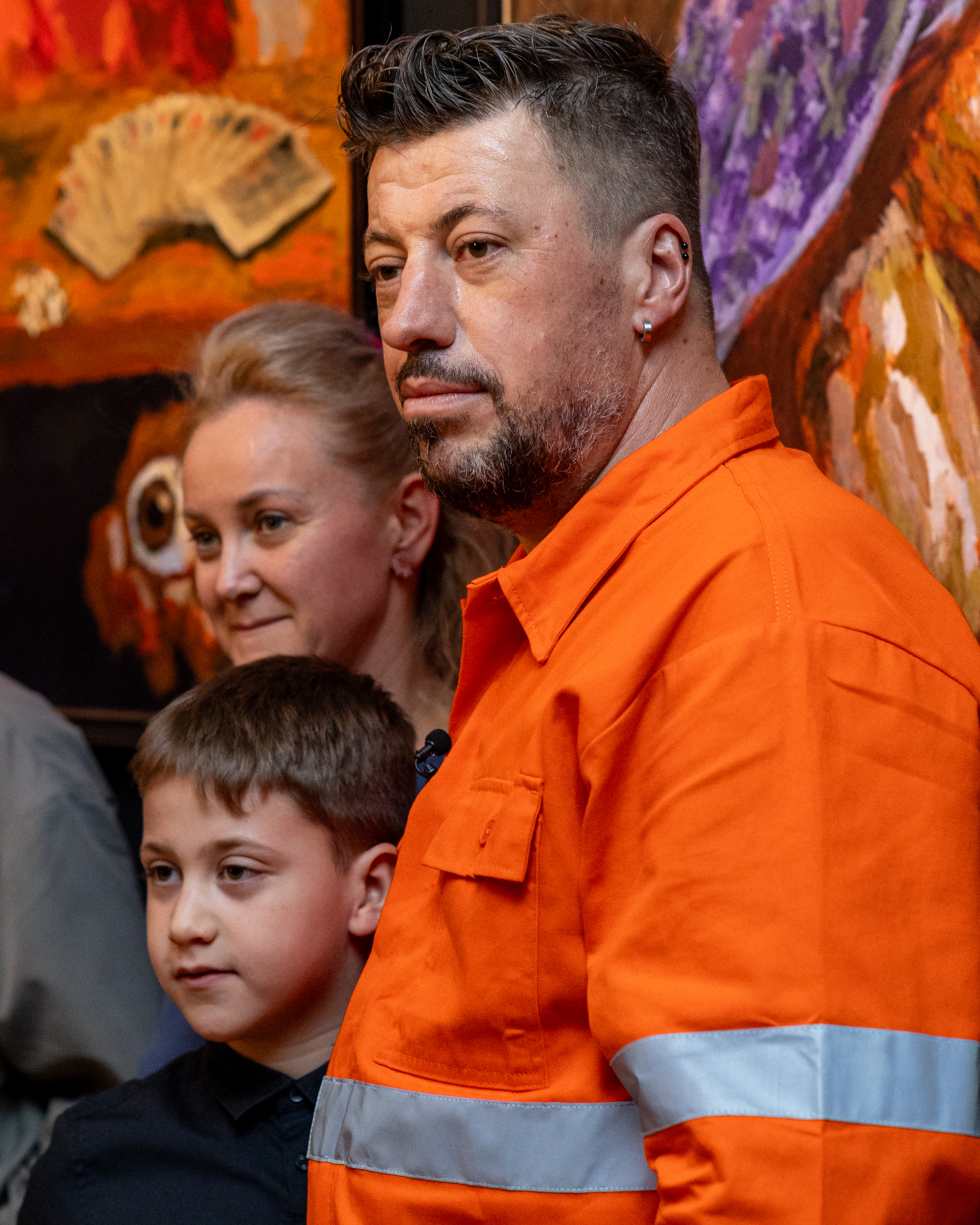
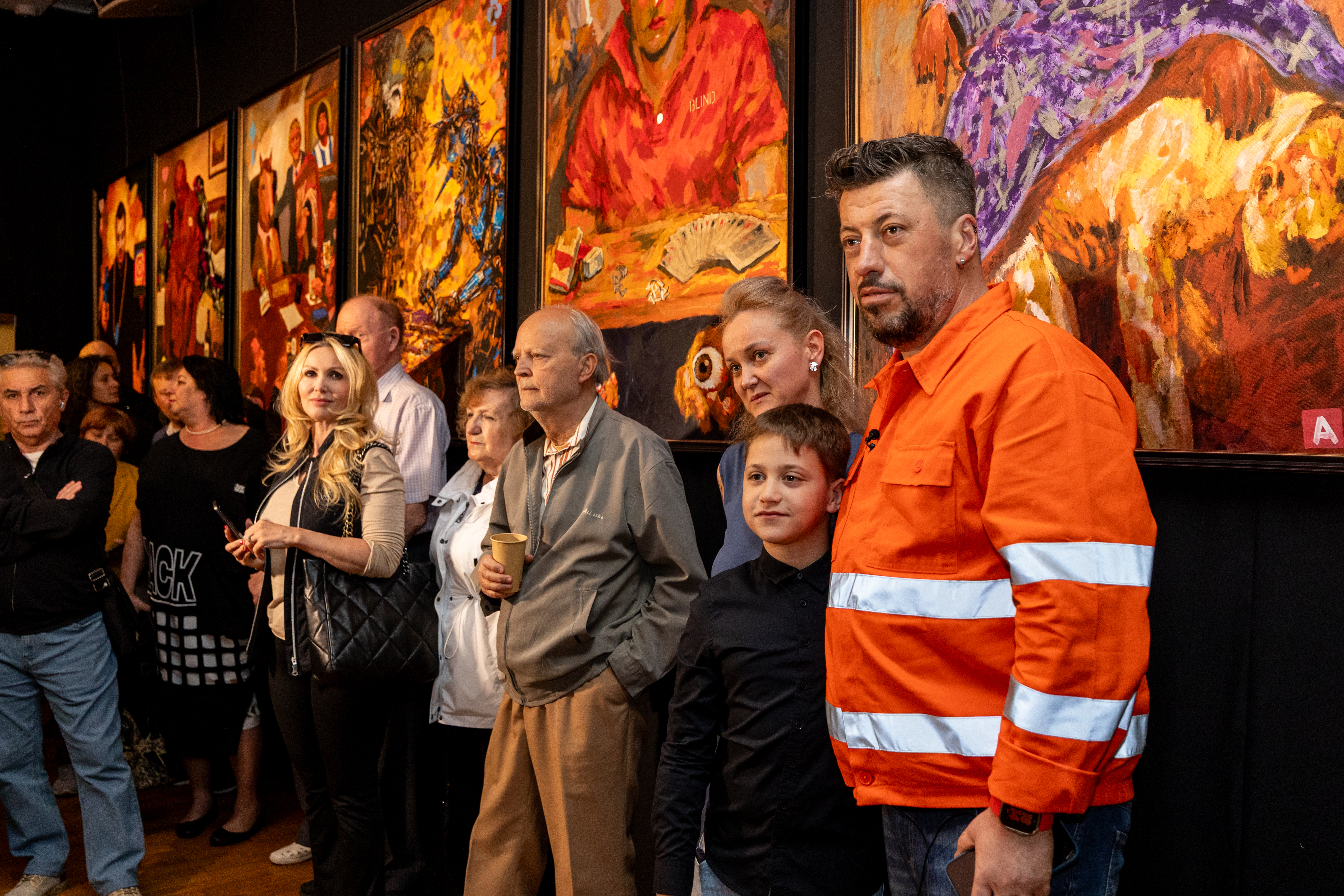
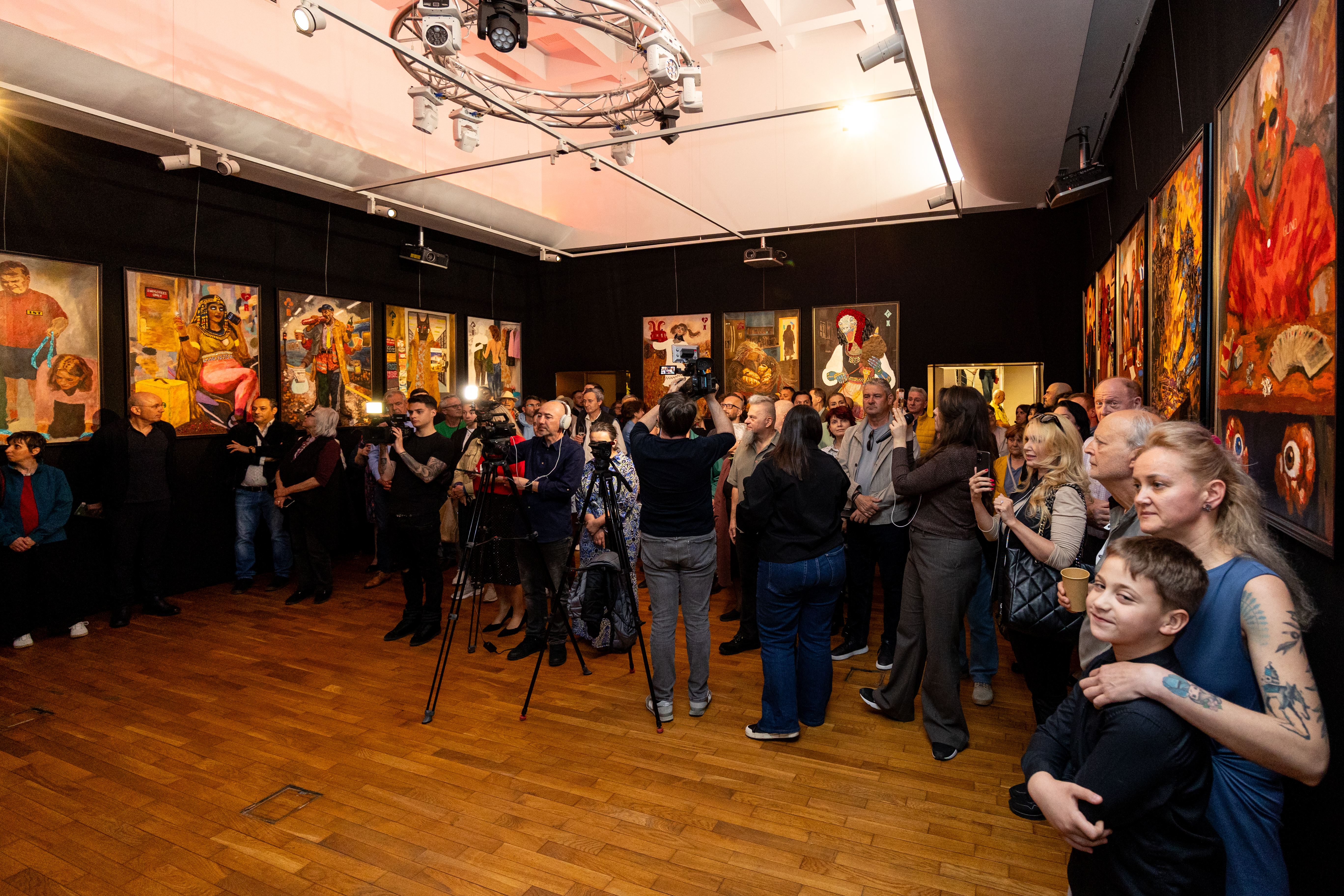
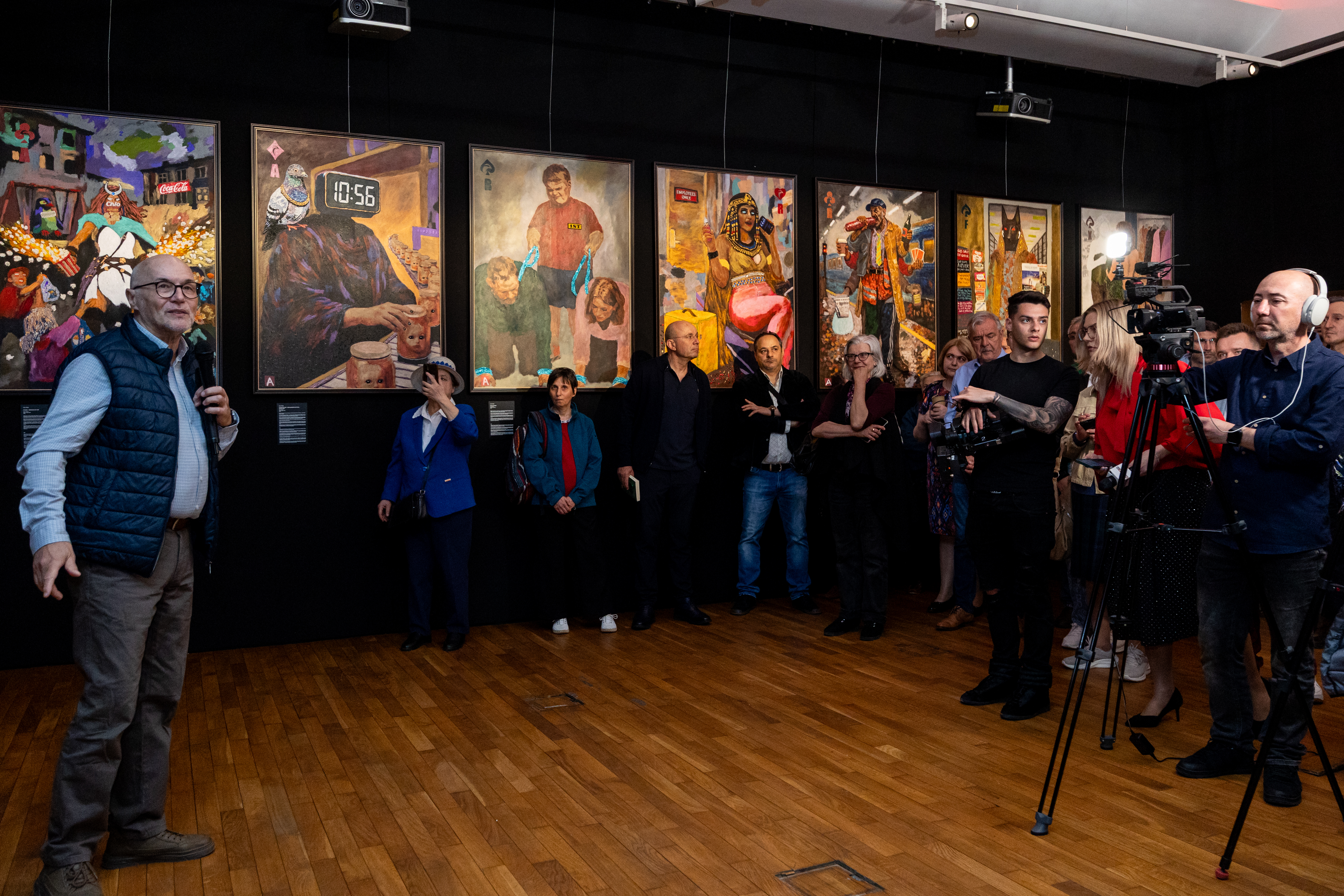
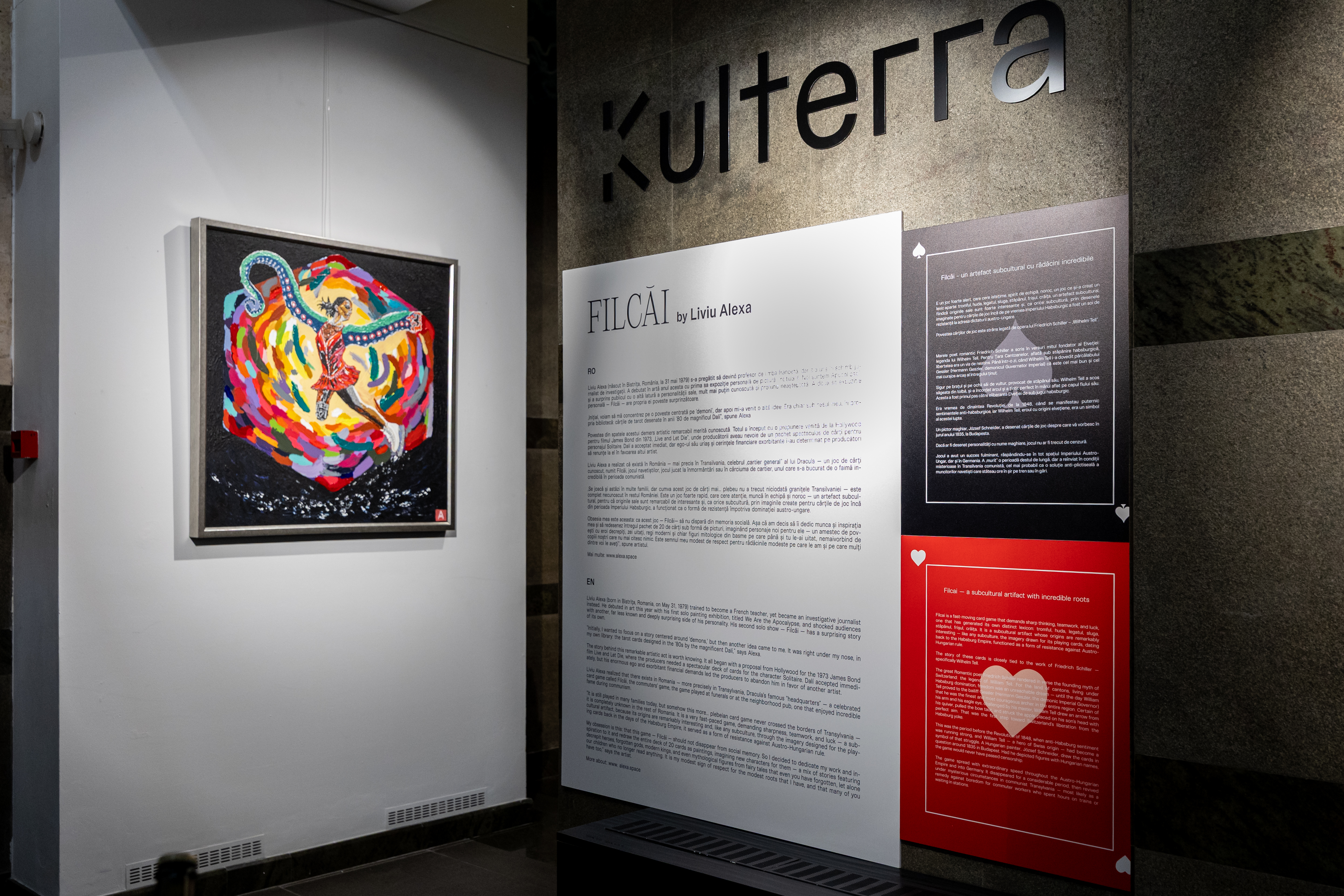
Liviu Alexa (born in Bistrita, Romania, on May 31, 1979) trained to become a French language teacher, but ended up as an investigative journalist instead. He debuted in art this year with his first personal painting exhibition, entitled "We are the Apocalypse", and surprised the public with another side of his personality, much less known and deeply unexpected.
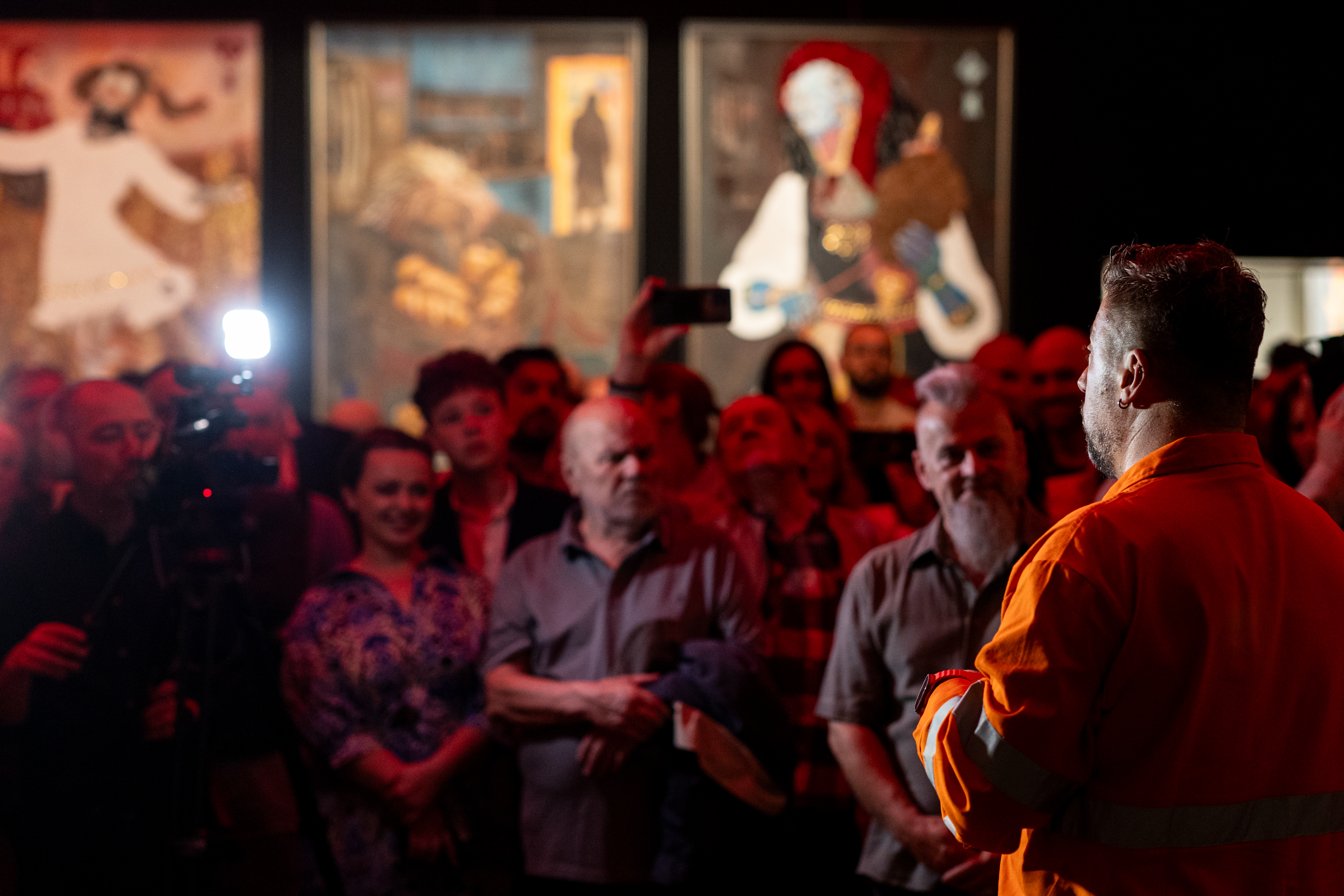
His second solo exhibition — Filcǎi — has its own surprising story.
"Initially, I wanted to focus on a story centered on 'demons', but then I had another idea. It was right under my nose, in my own library: the tarot cards drawn in the 80s." by the magnificent Dalí," says Alexa.
The story behind this remarkable artistic endeavor deserves to be known. It all started with a proposal from Hollywood for the 1973 James Bond film Live and Let Die, where the producers needed a spectacular deck of cards for the character Solitaire. Dalí immediately accepted, but his huge ego and exorbitant financial demands led the producers to drop him in favor of another artist.
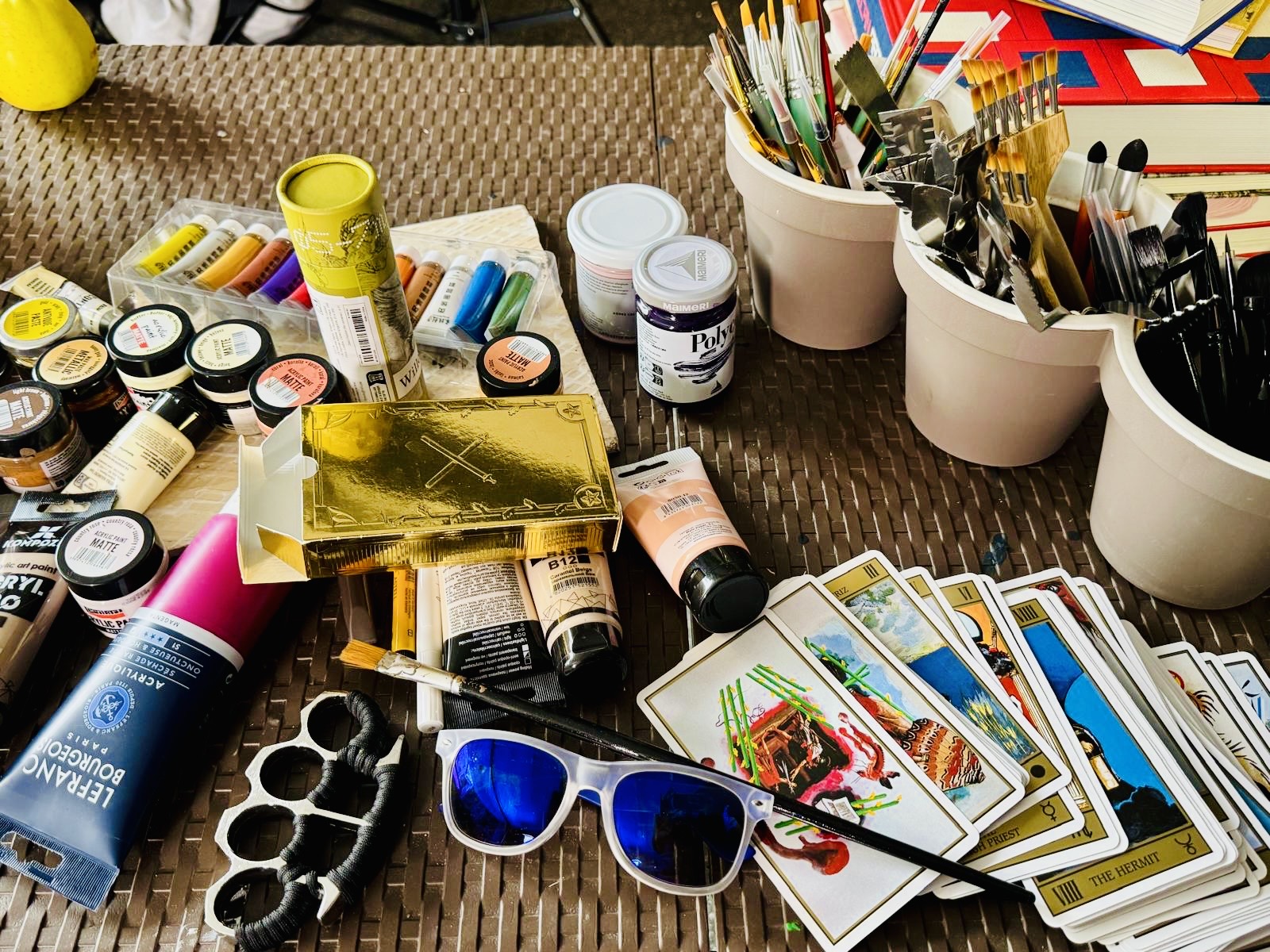
Liviu Alexa realized that there was in Romania — more precisely in Transylvania, Dracula's famous "headquarters" — a well-known card game called Filcǎi, the commuter game, the game played at funerals or in the neighborhood pub, one that enjoyed incredible fame during the communist era.
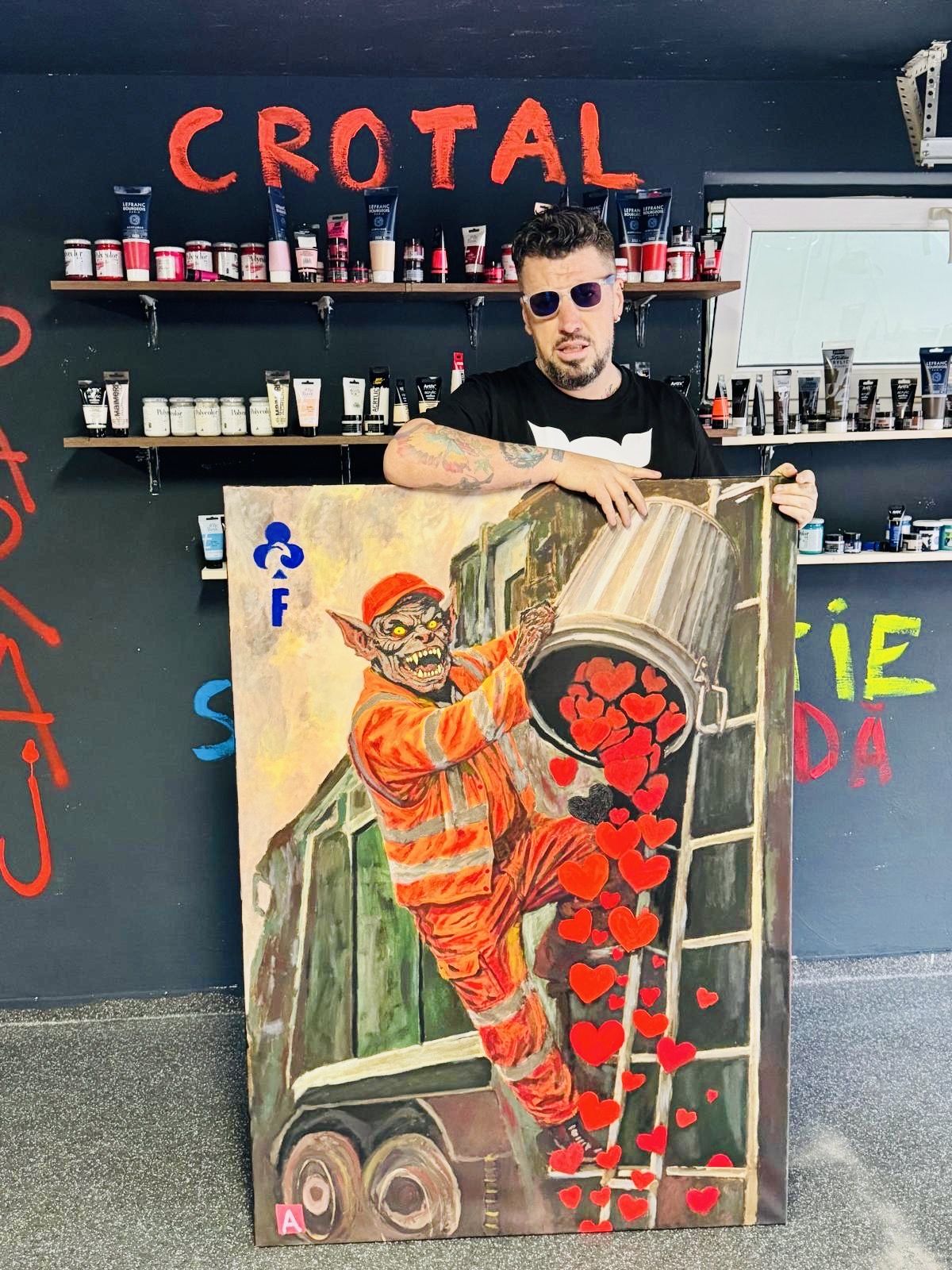
"It is still played today in many families, but somehow this more… plebeian card game never crossed the borders of Transylvania — it is completely unknown in the rest of Romania. It is a very fast game that requires attention, teamwork and luck — a subcultural artifact, because its origins are remarkably interesting and, like any subculture, through the images created for playing cards since the time of the Habsburg Empire, a functioned as a form of resistance against Austro-Hungarian domination.
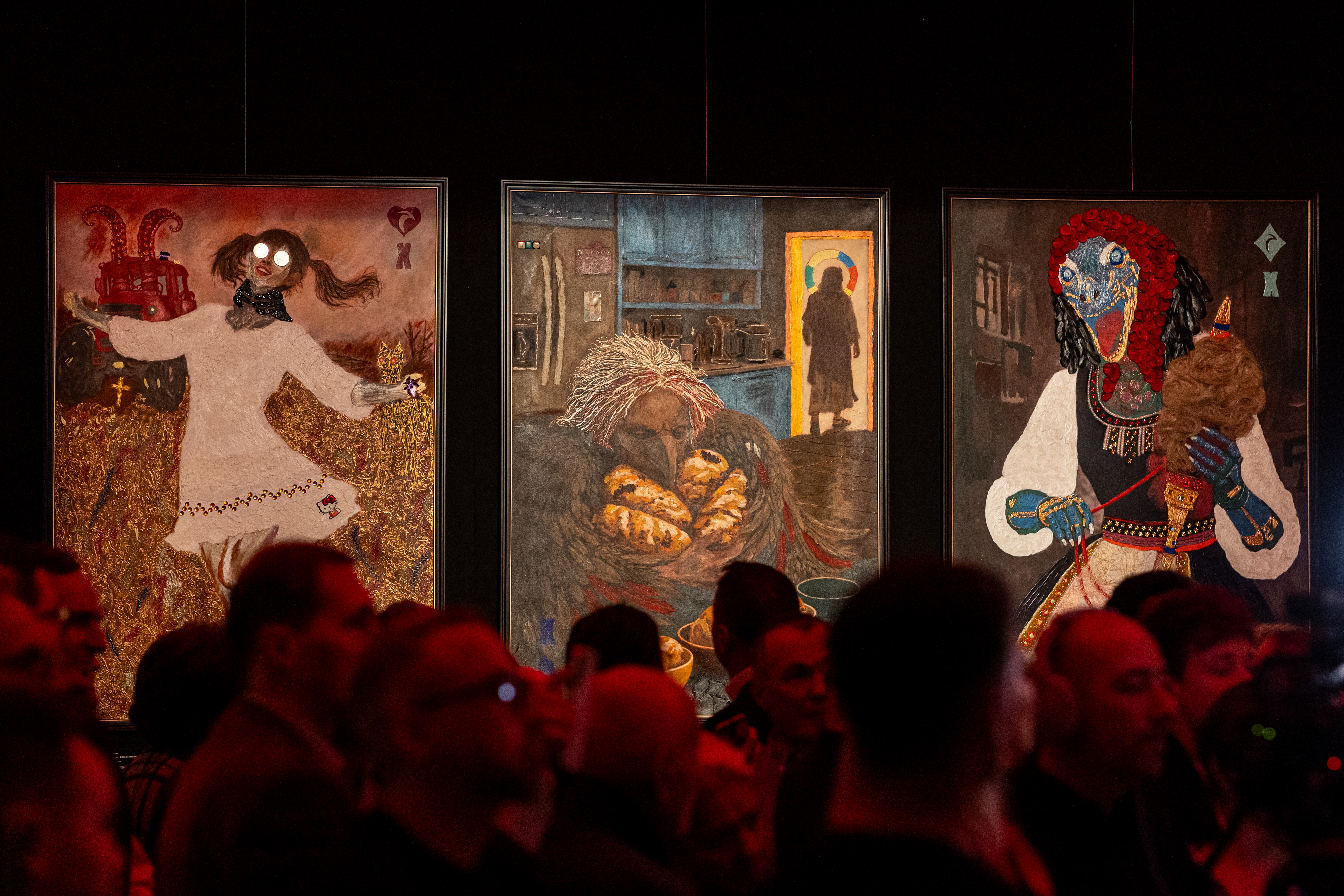
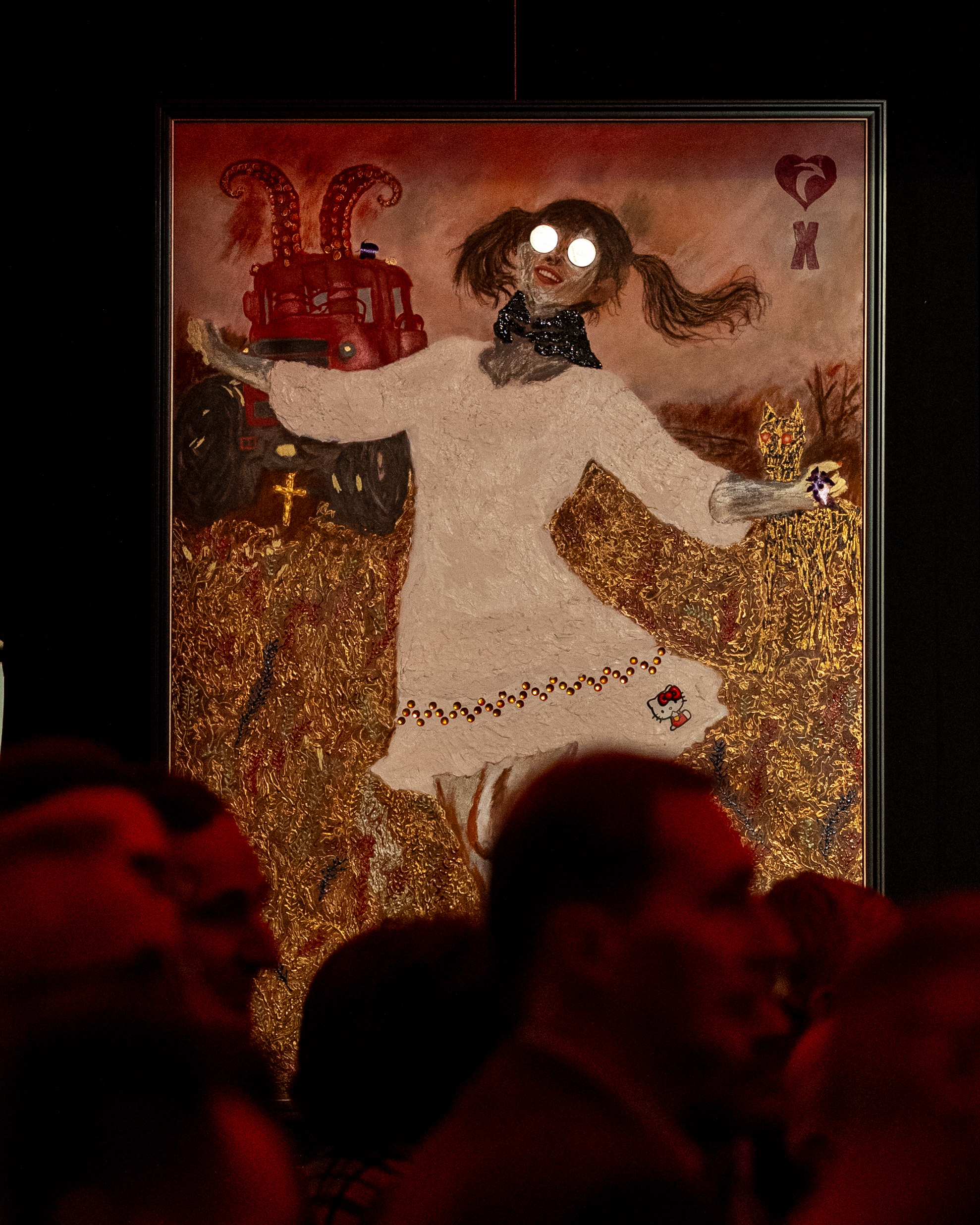
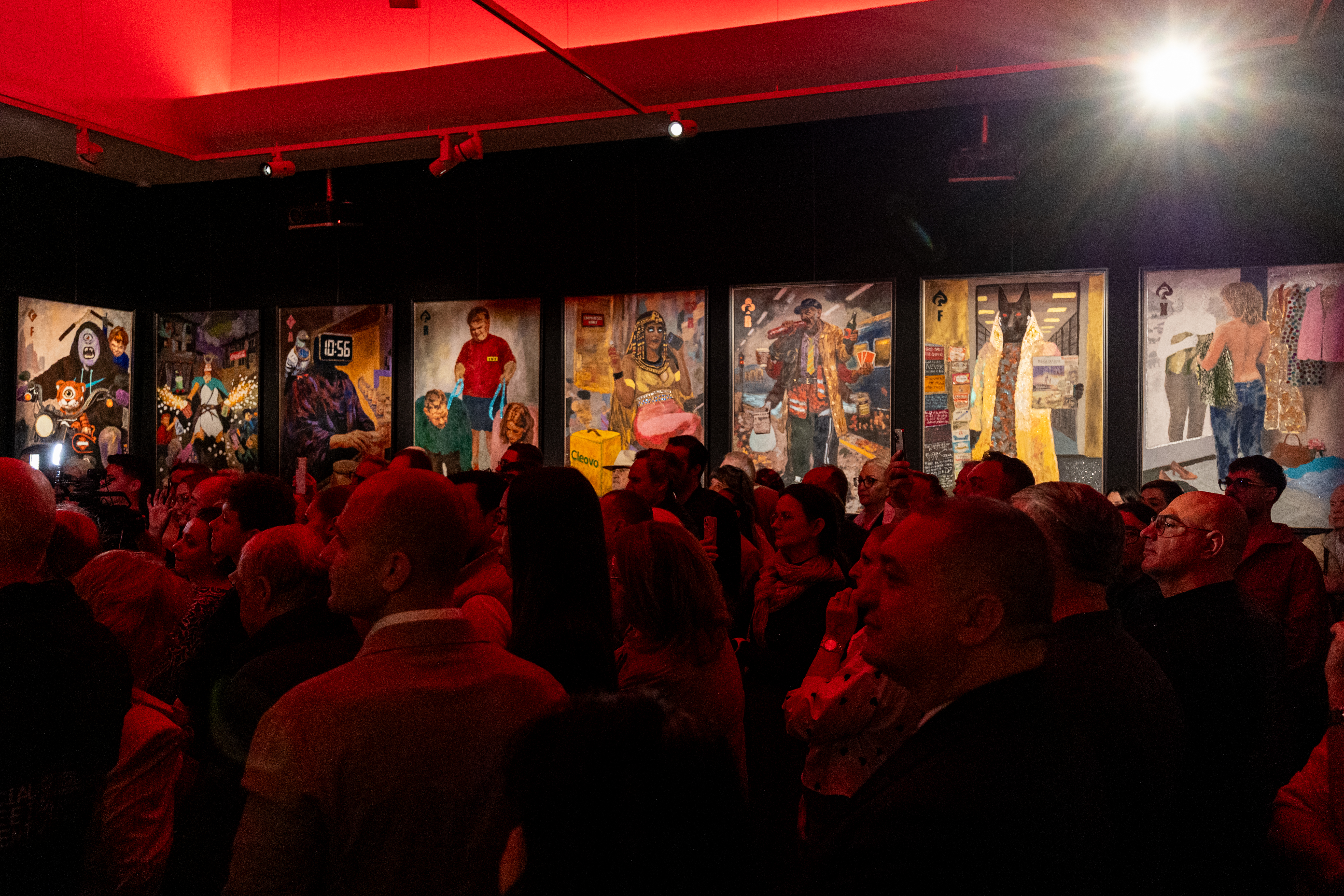
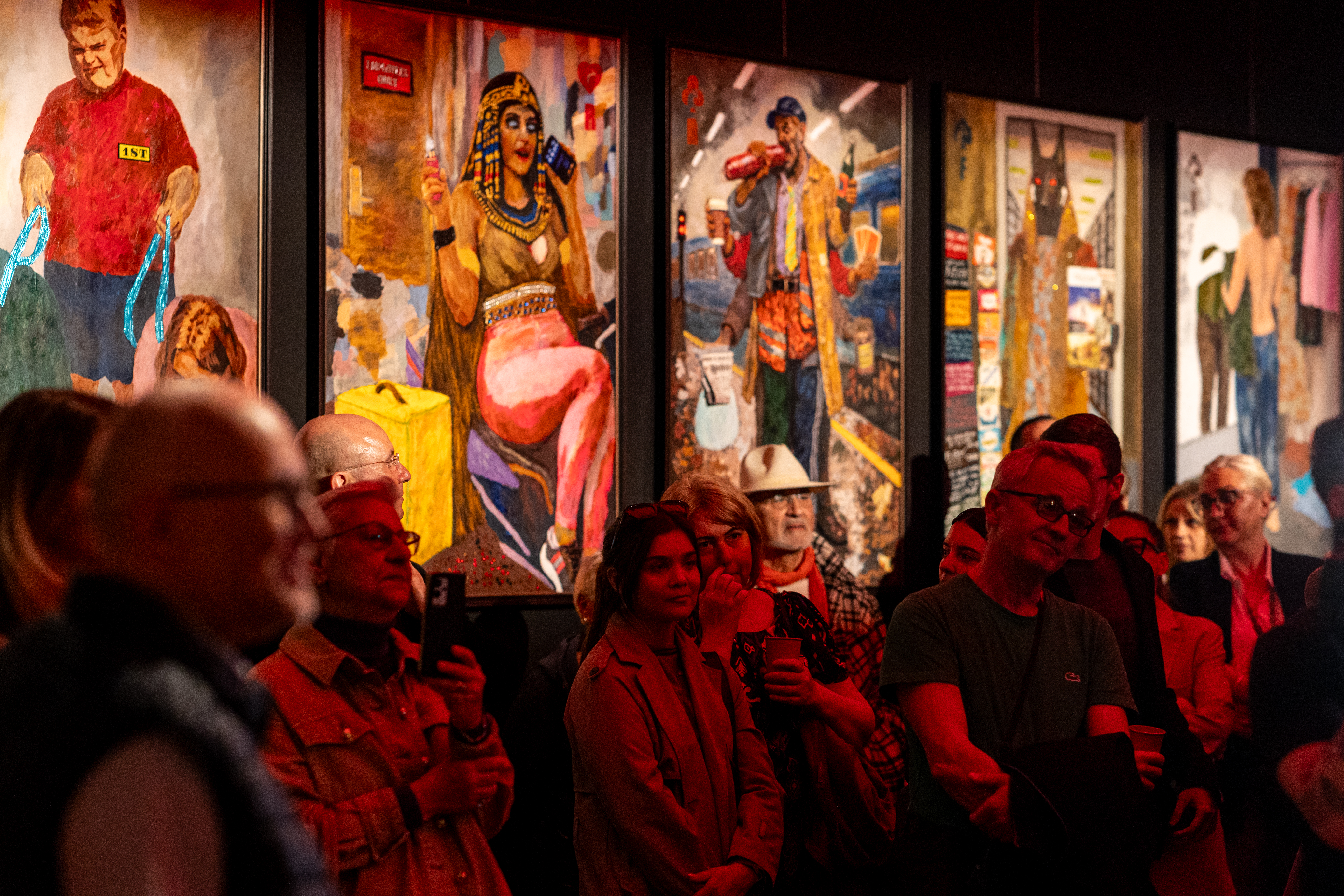
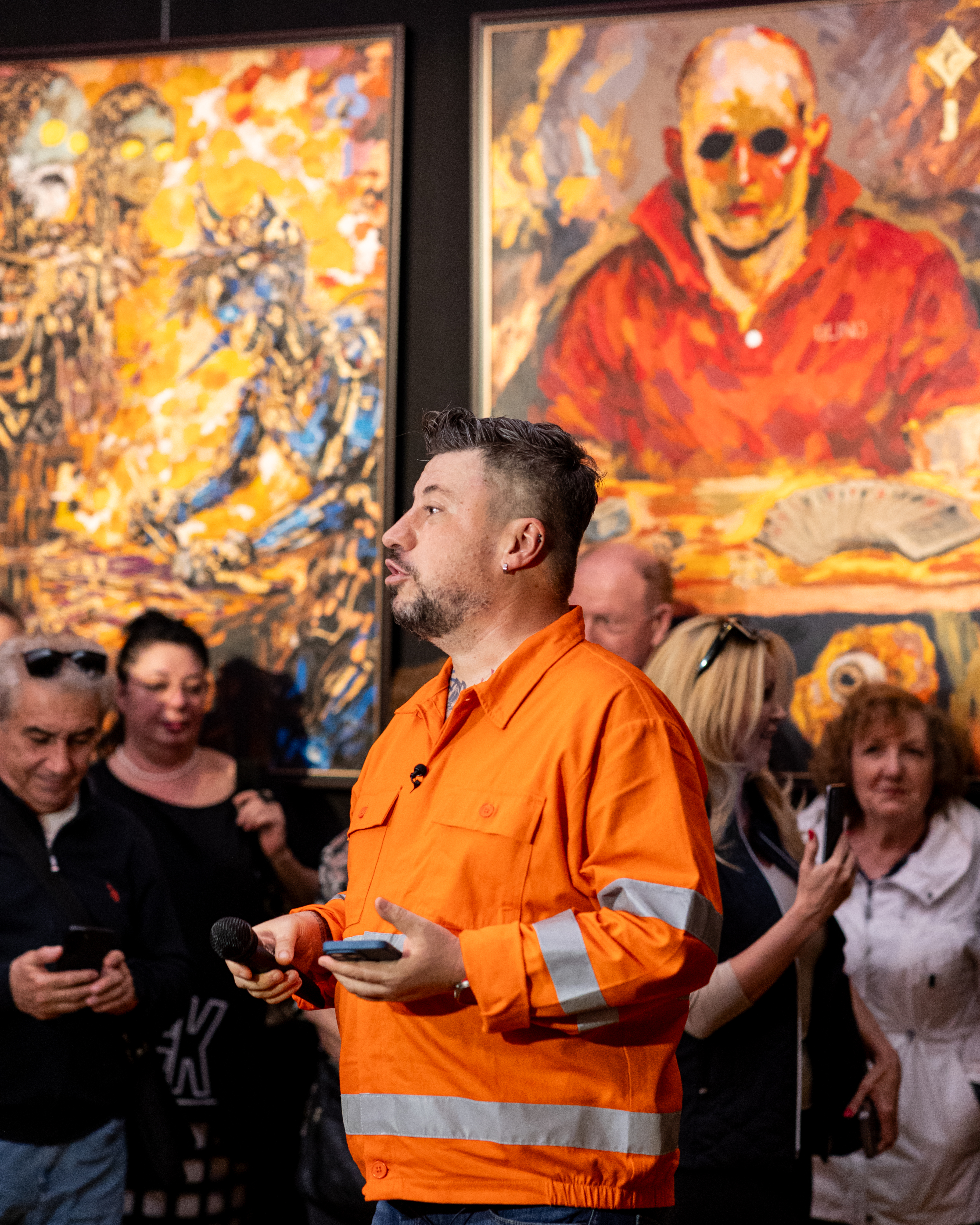
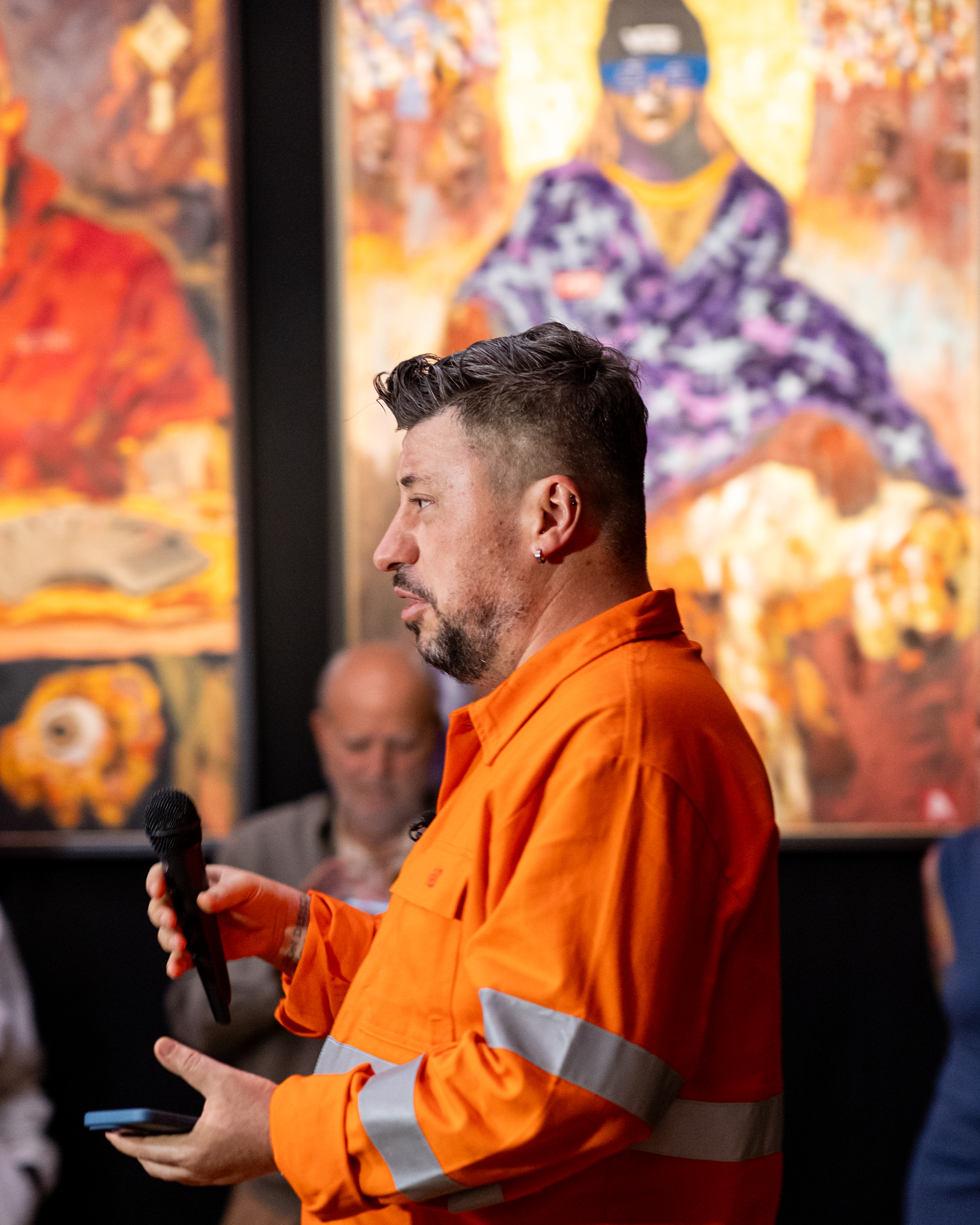
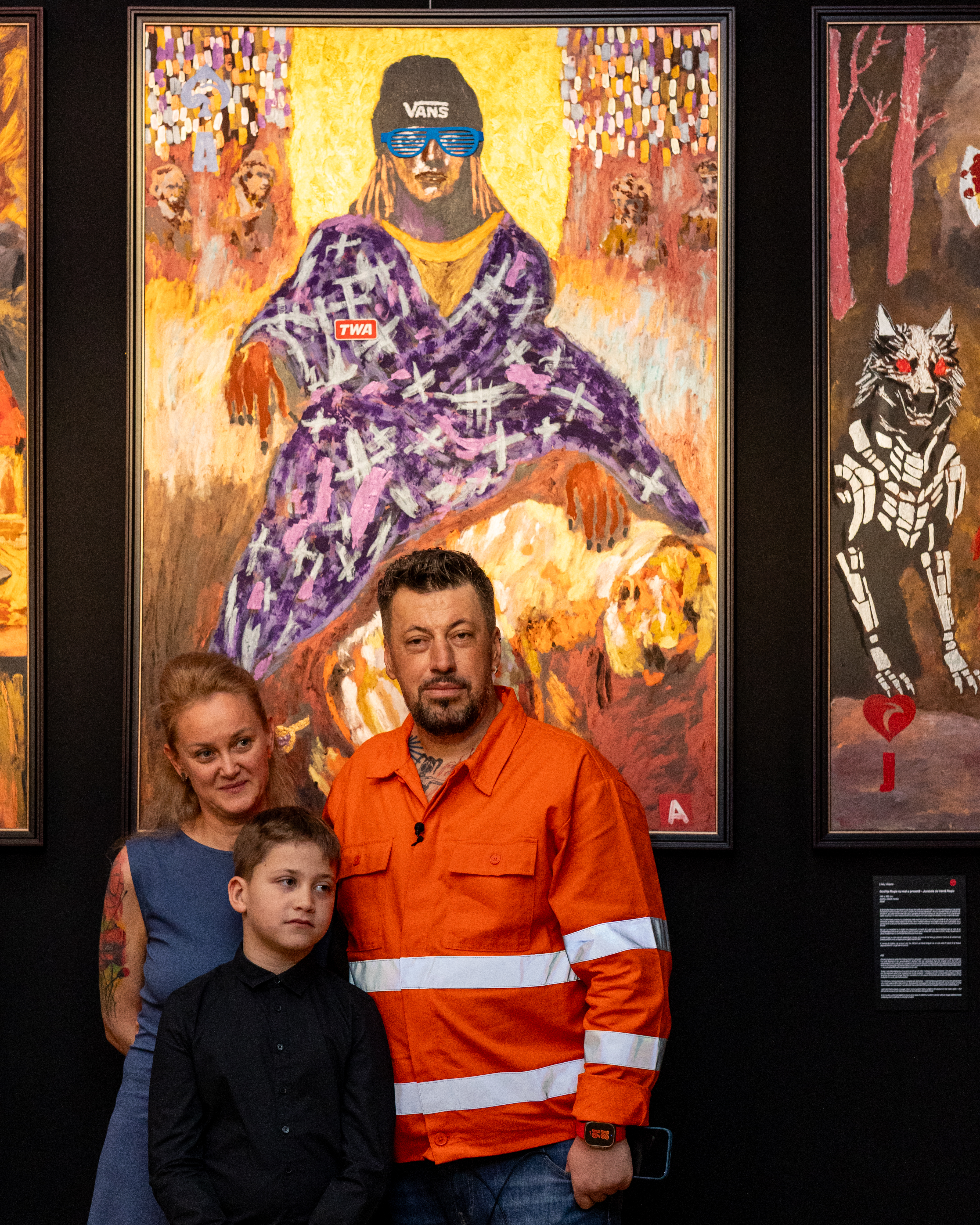
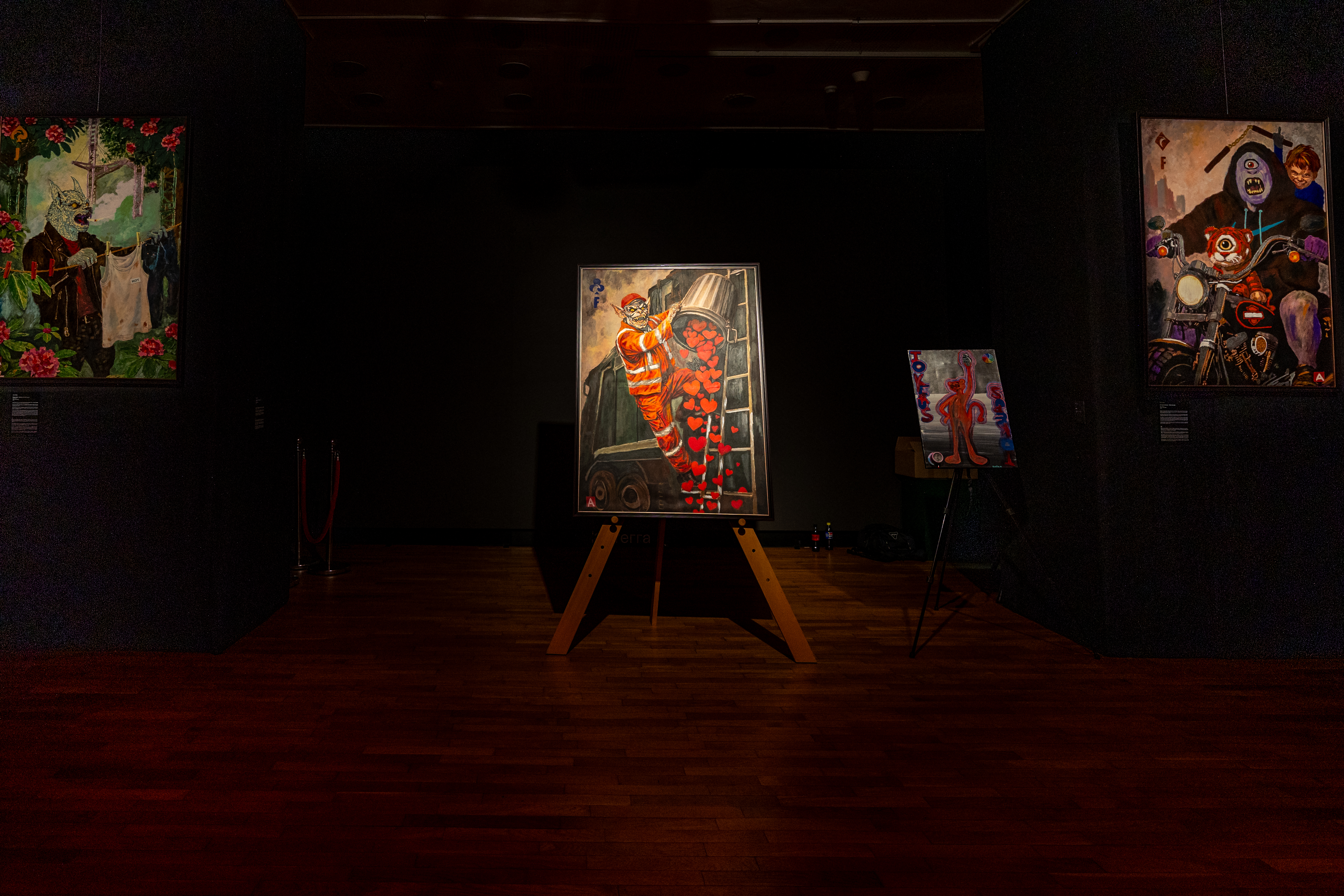
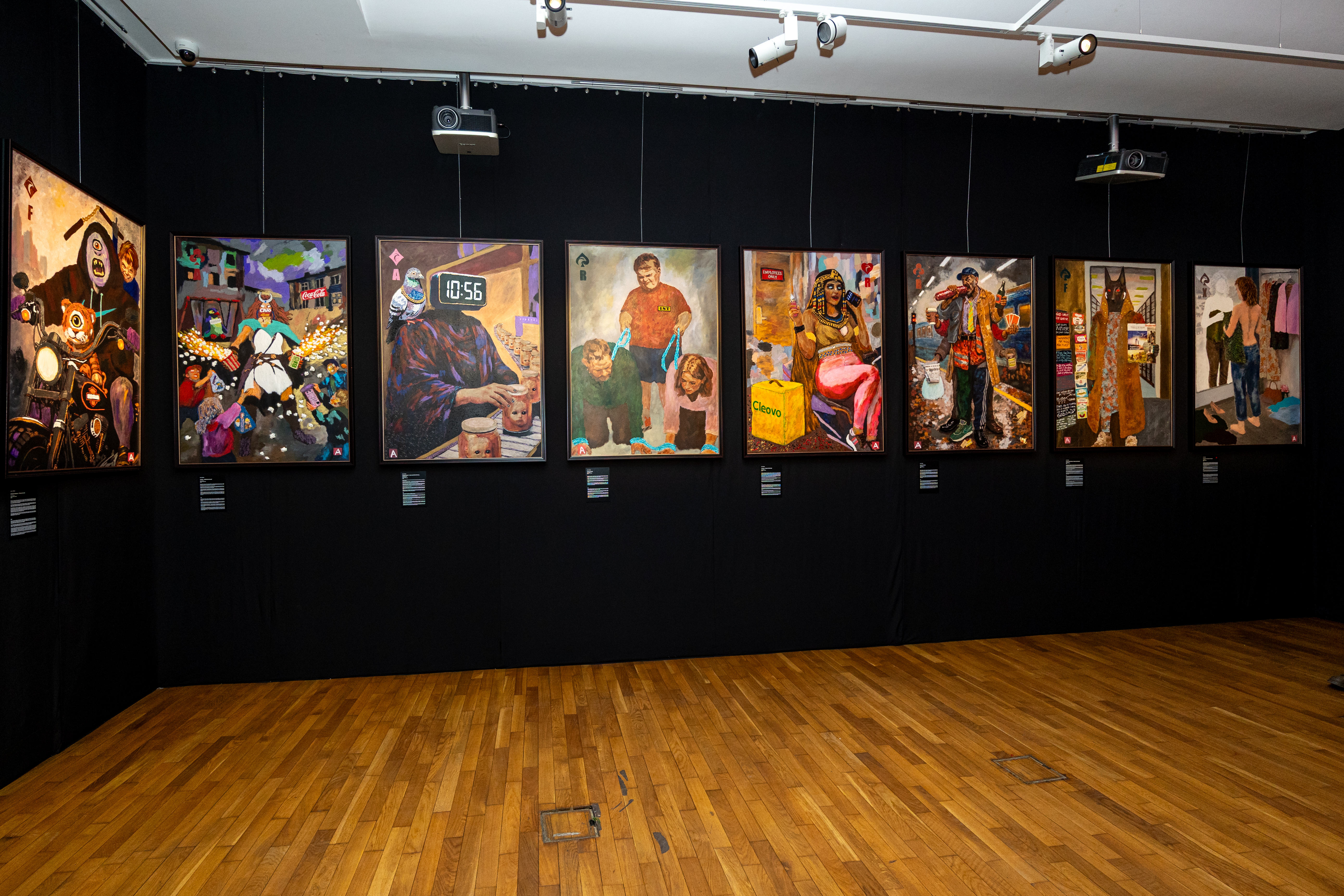
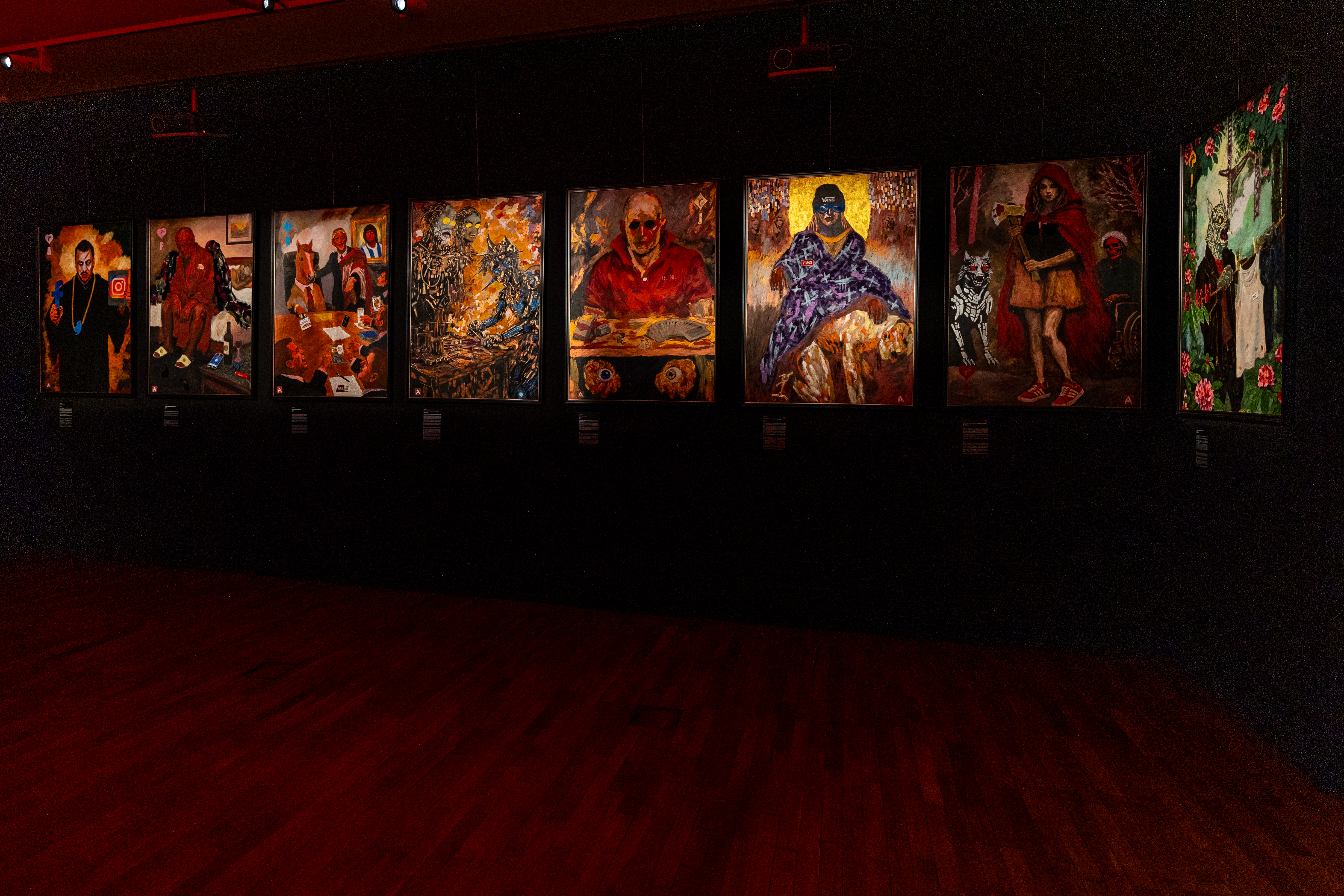
My obsession is this: that this game—Filcǎi—does not disappear from social memory. So I decided to dedicate my work and inspiration to it and redraw the entire 20-book pack as paintings, imagining new characters for them — a mix of stories with decrepit heroes, forgotten gods, modern kings, and even mythological figures from fairy tales that even you have forgotten, not to mention our children who don't read anything anymore. It's my humble sign of respect for the humble roots that I have and that many of you have", says the artist.
Filcǎi - a subcultural artifact with incredible roots
It is a very alert game that requires wit, spirit of team, luck, a game that created its own lexicon: trump, huda, legate, servant, master, friš, crăița, a subcultural artifact, because its origins are very interesting and, like any subculture, through the designs imagined for playing cards since the time of the Habsburg Empire, it was a kind of resistance to the dictatorship Austria-Hungary.
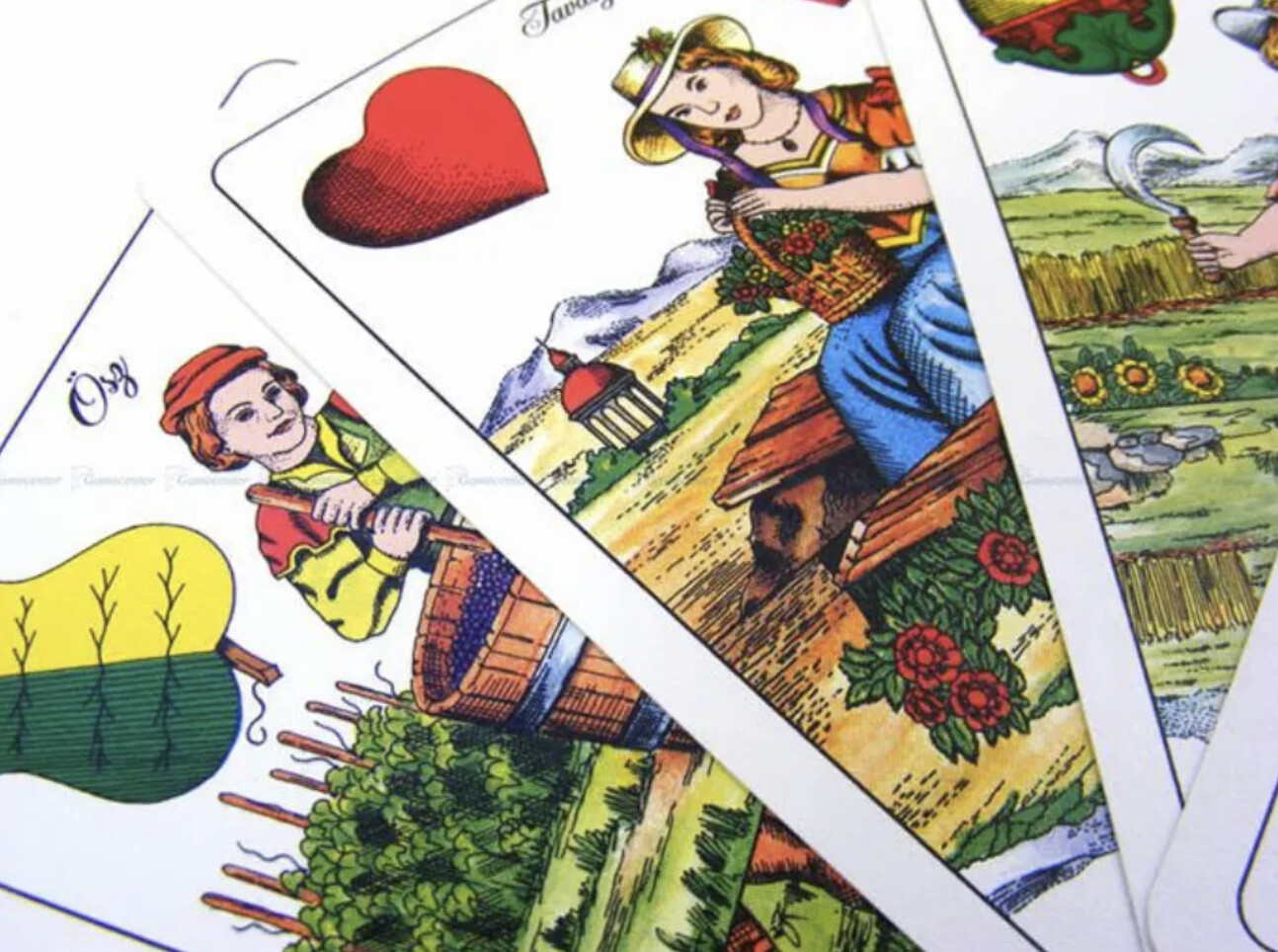
The story of playing cards is closely related to the work of Friedrich Schiller - "Wilhelm Tell".
The great romantic poet Friedrich Schiller wrote in verse Switzerland: the legend of Wilhelm Tell. For the Land of the Cantons, under Habsburg rule, freedom was an unattainable dream. Until one day, when Wilhelm Tell proved to the bastard Gessler (Hermann Geszler, the demonic Imperial Governor) that he was the best and bravest archer in the whole land. his son. This was the first step towards the liberation of Switzerland from the Habsburg yoke.
It was the time before the Revolution of 1848, when anti-Habsburg sentiments were strong, and Wilhelm Tell, the hero of Swiss origin, was a symbol of this struggle.
A Hungarian painter, József Schneider, drew the playing cards I am talking about around 1835, in Budapest.
If he had drawn personalities with Hungarian names, the game would not have passed the censorship.
The game was a fulminant success, spreading throughout the Austro-Hungarian Empire, but also in Germany. It "died" for quite a long time, but it revived under mysterious conditions in communist Transylvania, most likely as an anti-boredom solution for commuter workers who sat for hours on the train or in stations.
In the press